


In the world of wellness, trends come and go — from meditation challenges to hot‑stone massages, CBD oils to breathwork routines. But one practice gaining traction for its potential to address not just physical tension but emotional stress as well is called Somato Emotional Release (SER).
Proponents describe it as a gentle, body‑based approach that helps release stored tension and emotions that traditional talk therapy may not access. Rather than focusing on conversation alone, SER taps into the connection between the mind and body — accessing areas where stress and unresolved emotions can manifest physically.
Let’s take a closer look at what SER involves, how it differs from other therapies, and whether it might be something worth exploring.
What Is Somato Emotional Release?
Somato Emotional Release is a body‑centric approach based on the idea that emotional experiences can become “held” in the body — especially when stress is chronic or unresolved. The term “somato” refers to the body, and the practice aims to release emotions through subtle physical intervention.
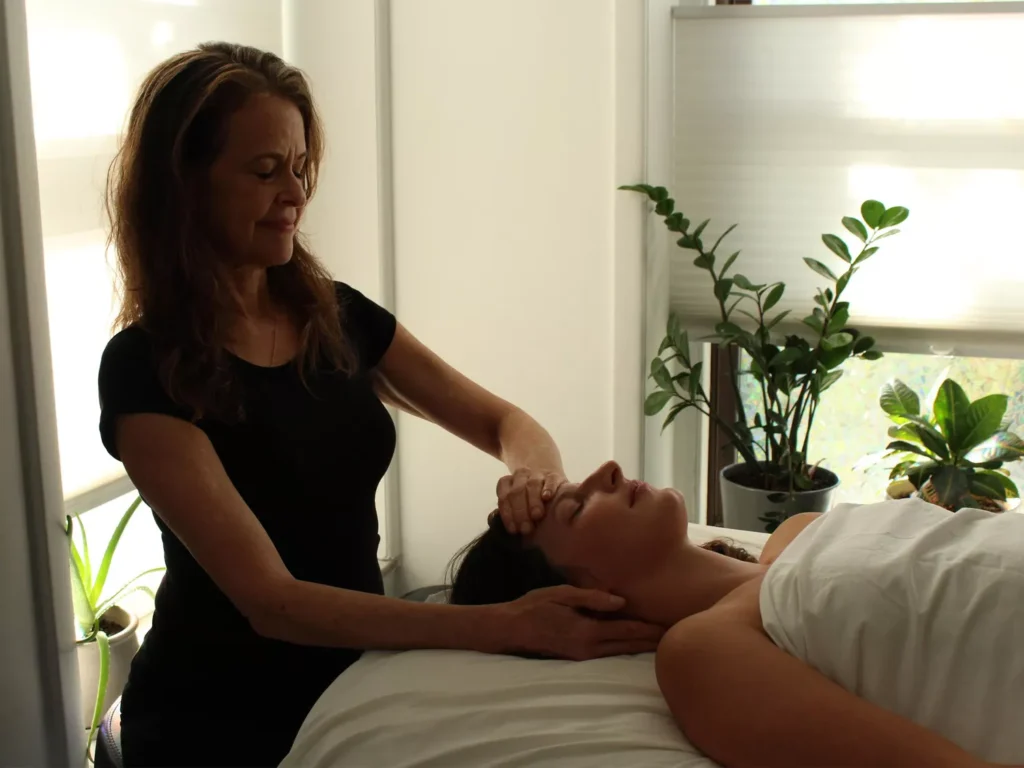
During a session, a trained practitioner uses gentle touch, mindful guidance, and awareness techniques to help bring attention to areas of tension or tightness. These sensations may be connected to emotion, memory, or stress.
The core belief is that emotional stress isn’t just “in your head” — it’s also stored in muscles, nerve pathways, breath patterns, and connective tissues throughout the body. By engaging with the physical sensations, SER seeks to help the nervous system release what may no longer be serving you.
In many ways, it resembles somatic bodywork, but with a specific emphasis on emotional processing rather than purely physical release.
How a Typical SER Session Works
An SER session is a blend of bodywork and mindful awareness rather than a traditional massage or cognitive therapy.
Here’s what you might experience:
1. Gentle Assessment
The practitioner begins with a conversation to understand your background, general stress patterns, and what you hope to address. This sets the tone and helps tailor the session.
2. Mindful Touch
Rather than deep pressure, the work is usually light and intuitive. Hands may rest on specific areas like shoulders, chest, abdomen, or hips — places where people commonly hold tension.
This touch isn’t invasive; it’s more about inviting awareness of sensation.
3. Breath and Attention
You may be guided to pay attention to your breath, noticing how your body responds. Breath awareness is often a key part of SER because breath is deeply linked to emotional state and nervous system regulation.
4. Emotional Awareness
As attention shifts to physical sensation, emotional feelings may surface. This can be subtle — like warmth or relief — or more intense, such as an emotional release or tearful response.
Practitioners encourage observing sensations without forcing them, allowing your body to lead.
5. Integration
After the hands‑on portion, there’s typically a period of rest and grounding. Some practitioners offer verbal reflection, but SER is not talk therapy — it’s more about embodied experience than verbal analysis.
Because experiences vary widely, no two sessions look exactly the same.
What Sets SER Apart From Other Techniques
The wellness world already includes a range of body‑based practices — massage therapy, acupuncture, craniosacral therapy, and somatic psychology, to name a few. So what makes SER different?
Mind–Body Focus
Unlike traditional massage, which focuses on muscle tension and physical structure, SER is intentionally designed to access the emotional and neurological layers beneath physical tension.
Awareness‑Centered
SER isn’t about pulling information from you through questions — it’s about tuning into physical sensations and observing emotional responses as they arise.
Gentle Rather Than Deep
Many people are surprised that SER doesn’t involve deep pressure. It’s gentle and sensitive, designed to support the nervous system rather than trigger more tension.
Emotionally Oriented
While somatic therapies focus on physical releases, SER explicitly acknowledges that emotional experience and stored tension often go hand‑in‑hand.
Why People Are Trying It
There are several reasons people are turning to SER:
Stress and Anxiety Relief
Many people report feeling lighter, calmer, and more present after sessions — especially when chronic stress has left them feeling “tight” or disconnected from their bodies.
Enhanced Emotional Awareness
For some, SER helps bring clarity to emotions they had difficulty accessing through talk therapy alone.
Chronic Tension Release
Long‑term muscle tension — often in the neck, shoulders, hips, or chest — can sometimes ease after a session. People describe it as a softening rather than a forceful release.
A Greater Sense of Grounding
Some practitioners link SER to improved nervous system regulation, which can help people feel more grounded, less reactive, and more embodied.
What Science Says (and Doesn’t Say… Yet)
It’s important to be realistic. SER is a relatively new term in mainstream wellness, and rigorous scientific research on it specifically is limited.
However, there is research supporting the connection between physical touch, breath awareness, and emotional regulation:
- The body and brain are deeply interconnected
Experiences like stress, trauma, and chronic tension can affect both emotional well‑being and physical posture. - Mindful touch and awareness can reduce stress hormones
Practices that include intentional touch and attention have been shown to reduce cortisol levels and improve relaxation responses. - Mind‑body techniques support nervous system regulation
Approaches that encourage gentle engagement with sensations — such as somatic experiencing, yoga, and breathwork — can calm the nervous system and improve emotional resilience.
So even though direct studies on SER are limited, it is rooted in principles that do have scientific support.
Who Might Benefit Most
SER is not a one‑size‑fits‑all solution, but it may be helpful for people who:
- feel stuck in cycles of stress or tension
- have anxiety or emotional heaviness they struggle to name
- find traditional talk therapy useful but incomplete
- experience chronic tension that doesn’t respond to massage alone
- want to feel more embodied or connected to their internal sensations
It can be complementary to other approaches — talk therapy, breathwork, meditation, and bodywork — not necessarily a replacement for them.
What to Expect (and What to Keep in Mind)
Here are a few things to remember if you’re considering an SER session:
You’re in Control
No one should pressure you into emotional release. You guide your experience, and a good practitioner respects your pace.
It’s Gentle, Not Intense
SER isn’t about reliving trauma or forcing tears. It’s about awareness paired with gentle touch.
Releases Vary
Some people feel immediate relief or clarity, while others experience more subtle changes over time.
It’s Not a Quick Fix
Lasting change often comes with consistency and integration — including self‑care practices between sessions.
Final Thoughts
Somato Emotional Release has emerged as an intriguing addition to the wellness landscape — neither purely physical nor purely psychological, but blending elements of both.
If you’re curious about working with your body rather than just your thoughts to address stress and emotional tension, SER offers a gentle, mindful way to explore that connection.
Like all wellness practices, it’s not magic — but with intention, awareness, and a supportive practitioner, many people find it deeply soothing and clarifying.