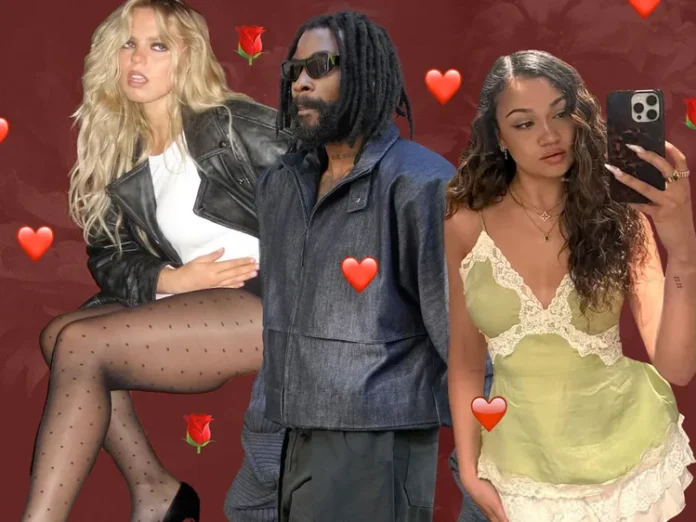

When it comes to personal style, we often talk about trends, body shapes, or lifestyle needs. But one powerful and sometimes overlooked influence is dating — the way relationships, first impressions, and emotional shifts can shape the way you dress, present yourself, and express your identity.
Whether you’re newly single, casually dating, in a long‑term relationship, or dipping your toes back into the scene, your style often evolves alongside your romantic life. That evolution isn’t just about impressing others — it’s about expressing confidence, comfort with yourself, and what you want to communicate in social and intimate settings.
Here’s a deeper look at how dating influences personal style and how you can navigate it thoughtfully.
First Dates: The Pressure to Look “Perfect”
It’s no secret that first dates come with style pressure. Whether it’s a coffee meetup, a casual walk, or dinner plans, many people put extra thought into what they wear because they want to feel seen and confident in someone else’s eyes.
This often plays out in a few ways:
Intentional Outfits
On a first date, outfits tend to be more curated — thinkers toward flattering fits, silhouettes that feel good, or pieces that reflect personality. It’s not about impressing every person in the room but signaling confidence, effort, and self‑expression.
Balancing Comfort and Appeal
The challenge many people face isn’t just looking “cute” — it’s feeling comfortable. Too many first‑date outfits miss the mark not because they’re unfashionable, but because they compromise comfort for aesthetics. A confident outfit is one that feels like you, not just like someone else’s ideal.
Style as Storytelling
Sometimes the outfit becomes a conversation starter — whether it’s a bold pattern, a unique accessory, or a color that mirrors your favorite palette. Style becomes less about hiding and more about revealing.
Casual Dating: Finding Your “Go‑To Look”
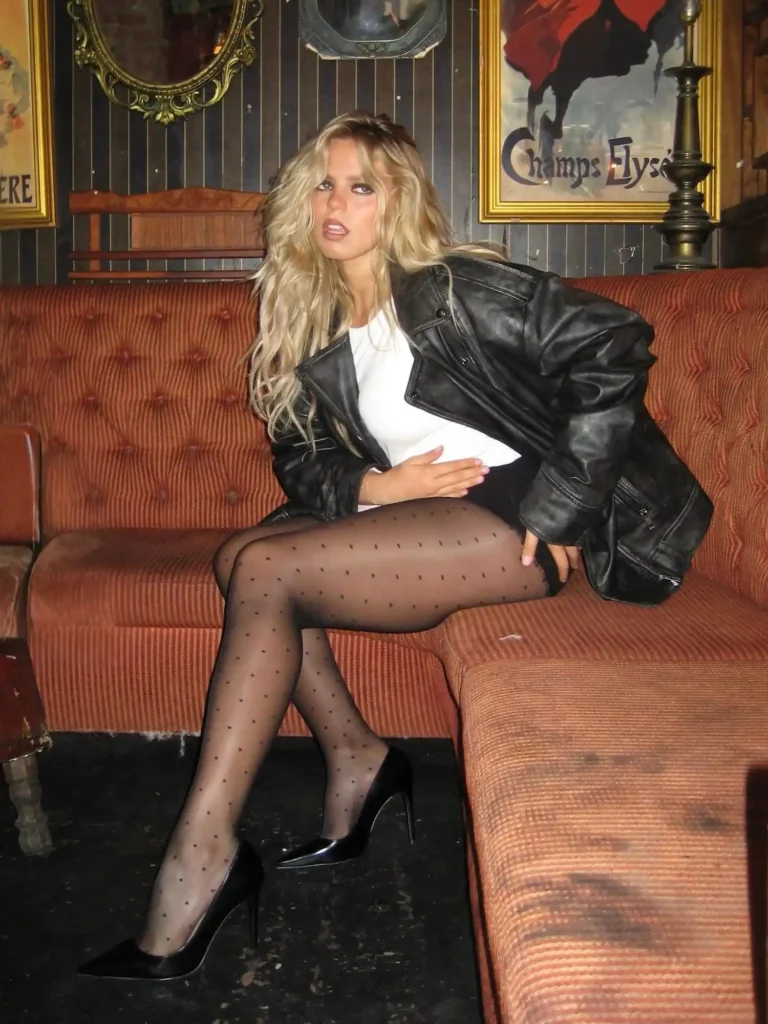
Once first‑date nerves fade into casual dating routines, many people settle into outfits that are both expressive and relaxed. This might look like:
- Elevated basics (denim, soft tees, knitwear)
- Mix‑and‑match pieces that reflect personality
- Accessories that feel comfortable but distinctive
The key shift here is purpose over performance. You’re not trying to impress every single time — you’re expressing comfort, confidence, and a sense of self that feels natural.
It’s not uncommon for people to discover that their “casual but special date outfit” becomes a staple in their wardrobe long after the relationship changes. These pieces often reflect true style rather than trend pressure.
Long‑Term Relationships: Style as Identity Support
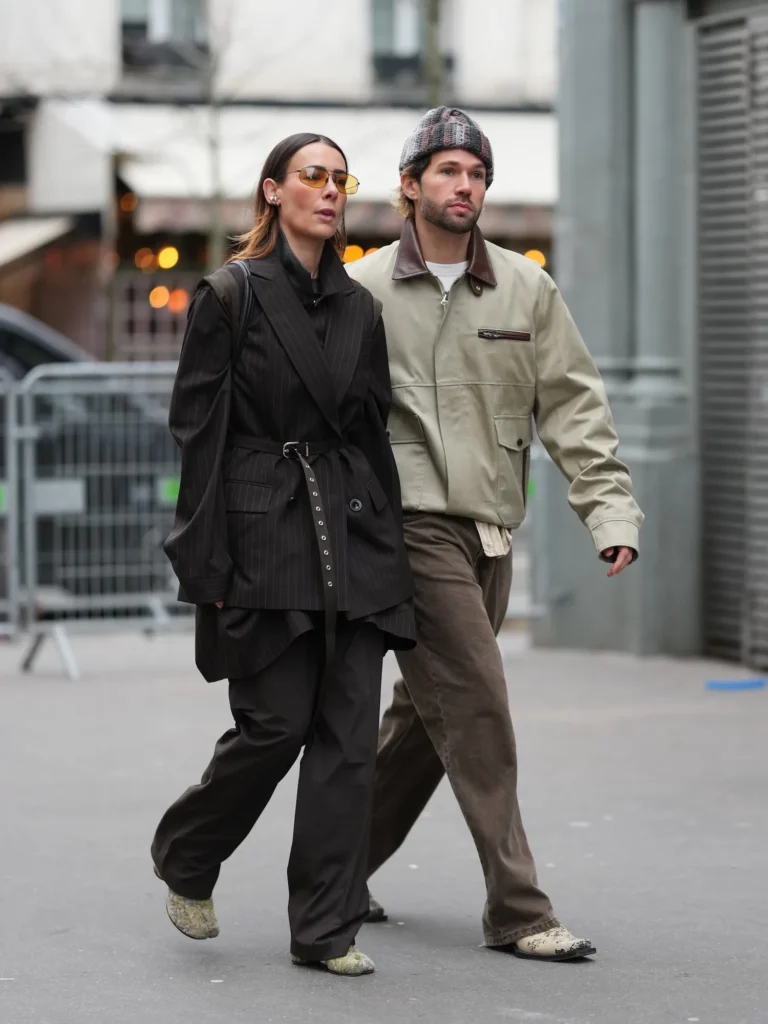
When a relationship grows steady, style sometimes shifts yet again — not because it’s dictated by a partner, but because your sense of identity evolves through connection, shared experiences, and comfort.
In long‑term partnerships, people often dress:
- With more subtle confidence
- Less for external validation
- More for shared moments and personal ease
Some find themselves favoring comfort and calm over statement dressing, simply because their confidence no longer hinges on external impressions. Others might explore new style sides — like bold colors or refined silhouettes — that reflect personal growth rather than dating pressure.
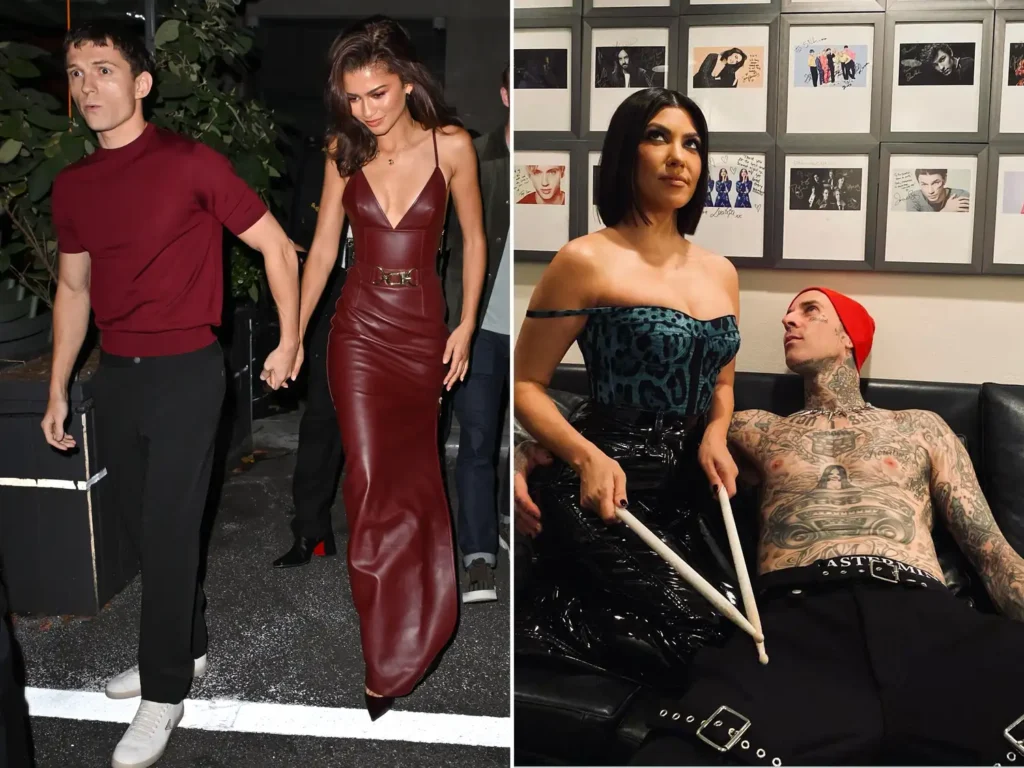
What’s important is that style becomes less about performance and more about presence — a true expression of who you are with someone who already appreciates you.
Single Life and Self‑Discovery Through Style
Dating isn’t just about romantic connections — for many, the post‑relationship or single phase is a period of self‑reinvention. Style often becomes a tool for self‑rediscovery, experimentation, and empowerment.
Exploration Without Limits
When you’re single, there’s often more creative freedom. People might:
- Try out bold trends they once avoided
- Revisit styles from earlier eras of life
- Mix aesthetics that feel taboo or fun
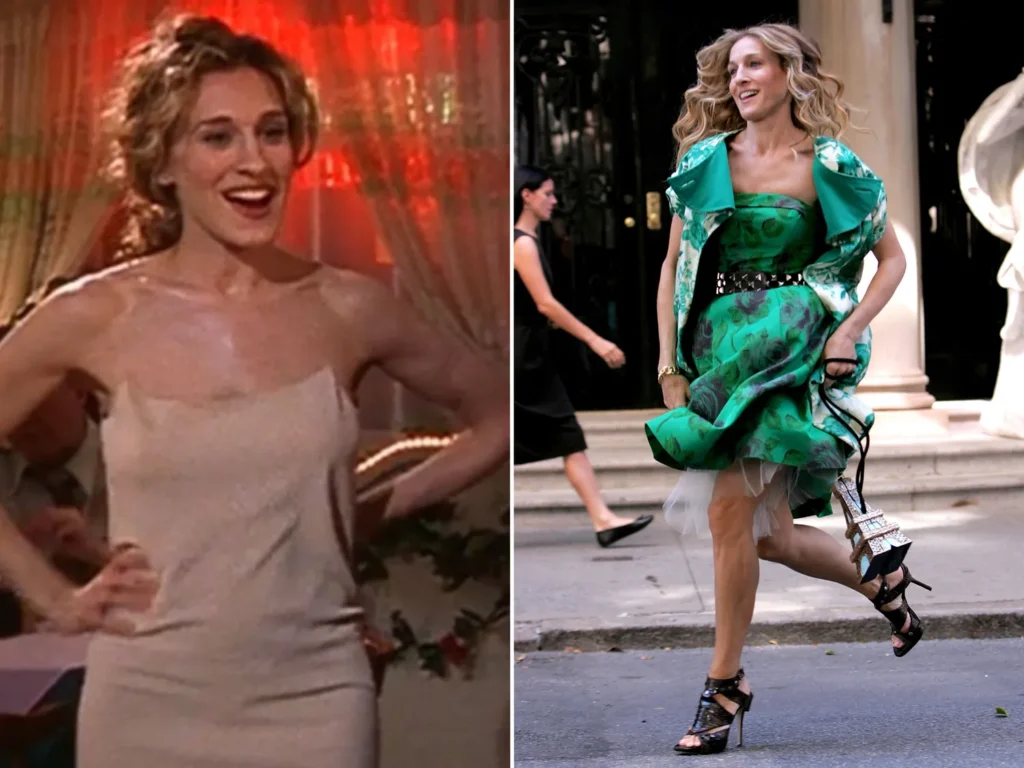
This phase can feel like a celebration of individuality — not influenced by a partner’s preferences, but guided by personal curiosity.
Style as Empowerment
Being single can also bring wardrobe shifts tied to confidence and self‑esteem. Wearing outfits that make you feel good on your own — whether that’s sleek tailoring, bright colors, or avant‑garde pieces — can become an expression of independence and self‑love.
The Emotional Link Between Style and Dating
It’s not just about outfits — it’s about how clothing makes you feel. Dating can heighten self‑awareness, vulnerability, and confidence all at once, and what you choose to wear often reflects that internal state.
Here’s how the emotional side of dating connects with style:
1. Confidence Boost
When you feel good in your outfit, you carry yourself differently — shoulders relax, steps feel lighter, and eye contact feels easier. Clothes can act like confidence armor when nerves are high.
2. Vulnerability Requires Comfort
On difficult or uncertain dates, comfy choices often win. Soft fabrics and familiar silhouettes help reduce nervous energy, letting your personality come through.
3. Style Signals Intent
The way you dress — formal, casual, elegant, playful — sends signals about who you are and what kind of connection you’re open to. Style becomes non‑verbal communication.
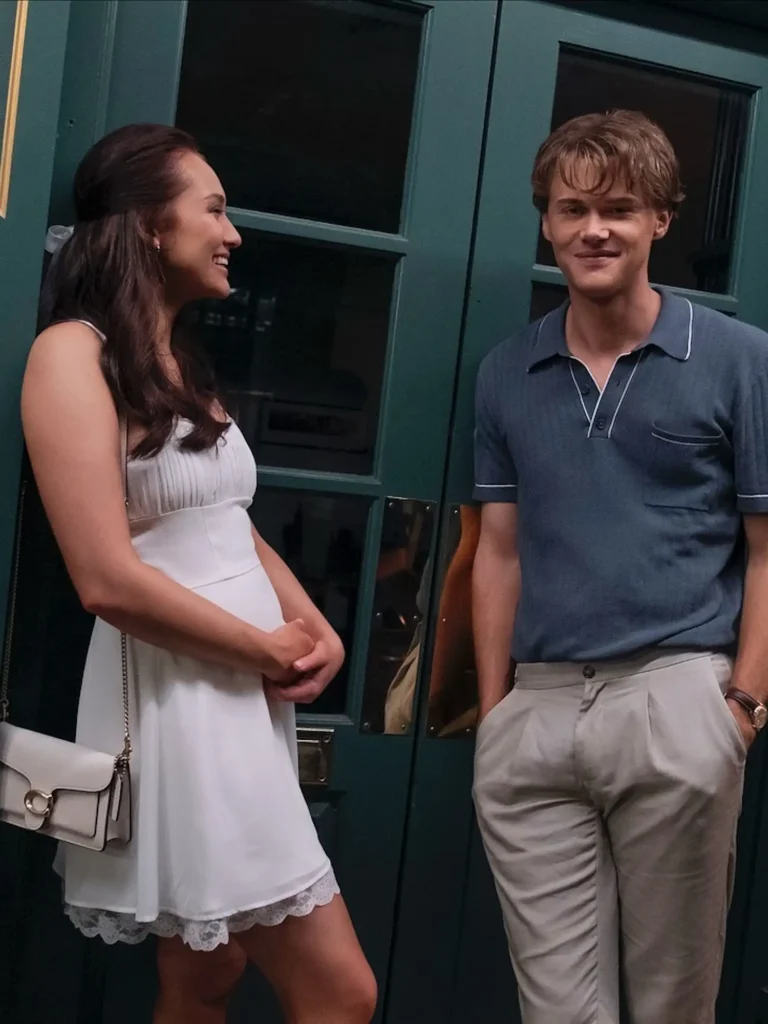
Style Mistakes to Avoid on the Dating Journey
While style can be empowering, it can also create stress when based on external expectations. Here are a few common pitfalls:
✔ Dressing for someone else’s approval — your best outfit is the one that makes you feel confident.
✔ Following trends over authenticity — trends come and go; style that feels true lasts longer.
✔ Sacrificing comfort for appearance — discomfort is the enemy of presence and confidence.
Style thrives when it’s grounded in self‑understanding rather than external validation.
Style as Identity, Not Validation
Ultimately, dating influences style not by dictating what you should wear, but by encouraging you to express who you are at different emotional stages. Whether you’re stepping into first‑date energy, finding your rhythm in casual romance, enjoying the ease of long‑term partnership, or exploring life solo, your style evolves as a reflection of your inner life.
Instead of seeing style as something you don for others, consider it a tool for self‑expression and confidence. Clothing isn’t a costume — it’s a conversation with the world about who you are, how you feel, and how you want to show up.
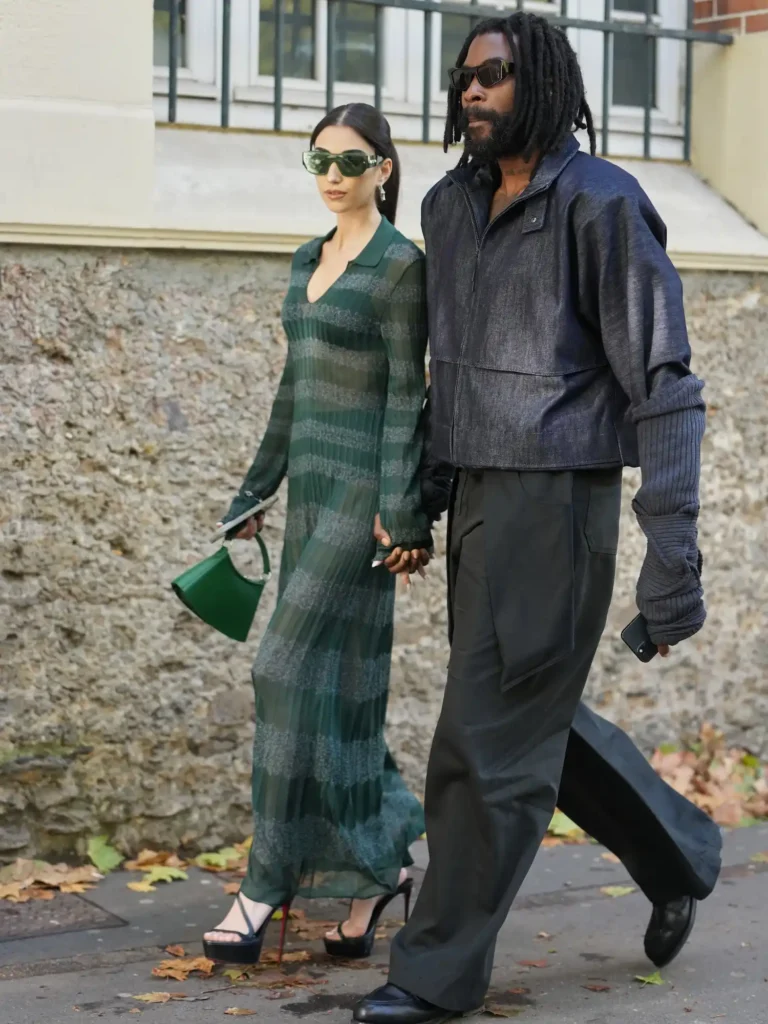
Final Thoughts: Let Dating Expand Your Style Story
Dating impacts more than just your calendar — it can influence how you see yourself, how you want to be seen, and how you express that through your wardrobe.
Instead of chasing perfection, let style be:
- A reflection of your level of comfort
- A display of your personal evolution
- A way to communicate inner confidence
When you allow style to grow with you — not because of dating, but alongside it — you create outfits that are not only fashionable, but truly you.