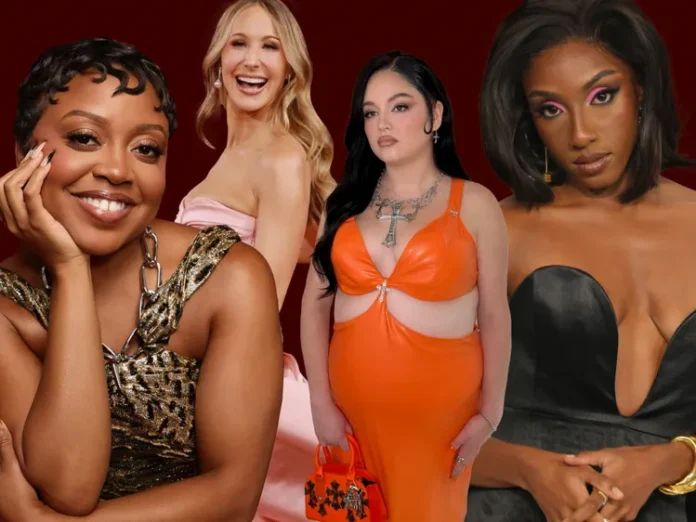


For years, stand‑up comedy and fashion seemed like separate worlds — talented women stood behind luminous spotlights making audiences laugh, but their clothing often stayed in the background. That narrative, however, is changing dramatically. Today’s female comedians aren’t just delivering punchlines; they’re turning heads with bold, expressive wardrobes that complement their personality and performance style. Female comics are emerging as unexpected fashion icons, blending humor with style in ways that challenge old norms and celebrate individuality.
From red carpet glamour to eccentric stage looks, these women are proving that laughter and fashion can be equally powerful forms of self‑expression.
Why Style Matters for Female Comedians
For decades, women in comedy were often discouraged from dressing “too stylish” — sometimes explicitly told that flashy outfits would distract from their jokes or make them less serious performers. That outdated advice reflected long‑standing biases about how women “should” present themselves in male‑dominated spaces.
Today, many female comics are shattering those expectations.
Instead of hiding behind bland outfits or blending into the background, they now use clothing as part of their comedic voice — amplifying a persona, making a statement, and even reinforcing their commentary on stage. This shift shows how fashion can be a tool for empowerment, not a distraction from talent.
Standout Comics With Iconic Style
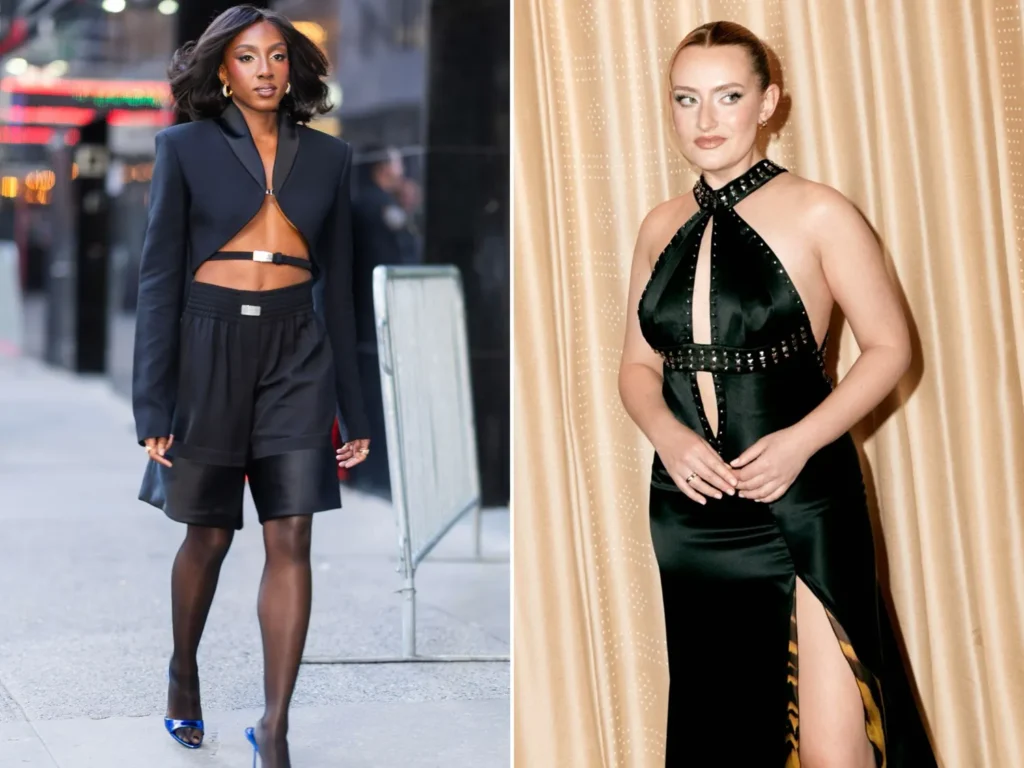
Several women in comedy today make headlines not just for their humor but for the fashion choices that accompany their rise:
Ziwe — Bold, Playful, Unapologetic
On her talk show and at public events, Ziwe blends comedy with bold aesthetics. Her looks are often bright, exaggerated, and theatrical — from Lucite platform heels to tweed suits inspired by high‑fashion runways — bringing a sense of camp and spectacle to her style.
Her fashion isn’t just clothes: it’s performance. The outfits create a visual context that enhances her comedic delivery, making her stage presence feel complete.
Mary Beth Barone — High Fashion Meets Humor
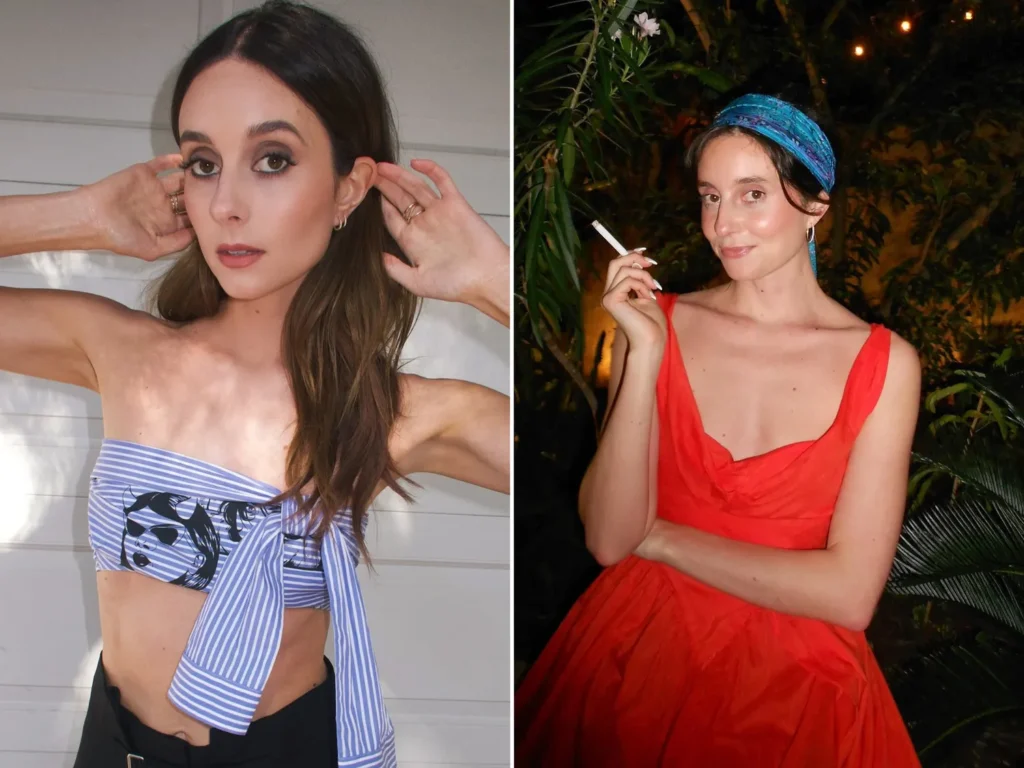
Some comics, like Mary Beth Barone, take stage style even further. For her special performances, she’s worn archival and statement fashion — including a Versace chainmail slip dress once gracing elite fashion events. This kind of clothing doesn’t just complement her jokes — it extends her narrative, merging comedy with cultural and aesthetic commentary.
For Barone, fashion is both personal expression and performance art, elevating her comedy beyond soundbites.
Cat Cohen — Sparkle, Feathers & Pop Star Energy
Cat Cohen pushes stage fashion into pop‑star territory. With electric blue eyeshadow, rhinestone dresses, and custom gowns created by designers who dress Beyoncé and Lizzo, Cohen treats stand‑up attire like craft — less about blending in, more about standing out spectacularly.
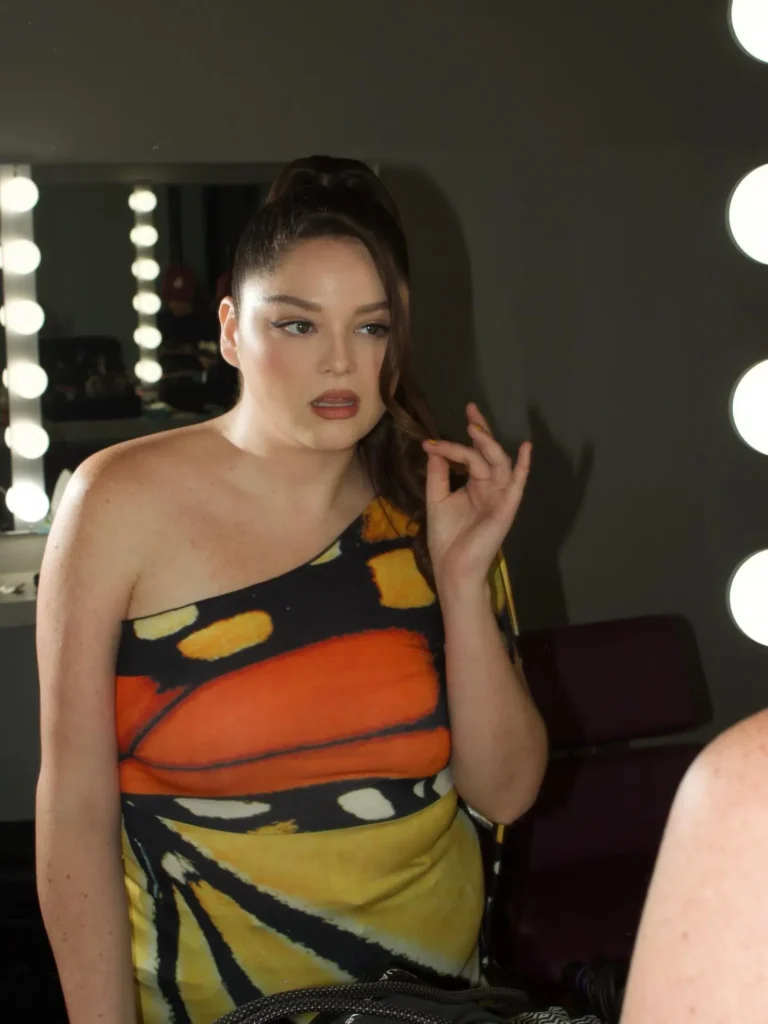
Her style shows that comedy can be glamorous, playful, and magnetic all at once.
The Fashion Evolution: From Blazers to Bold Statements
Historically, female comics often adopted conservative or practical clothing — structured blazers, simple tops, or casual jeans — in part because of traditional expectations about how women on stage should appear serious.
But that has shifted dramatically in recent years. Female comics of today lean into contrast and personality — pairing sophistication with irreverence, dramatic flair with relatability. Their fashion choices aren’t just about looking good; they visually reinforce their comedic identity.
This evolution mirrors broader cultural conversations about gender, performance, body politics, and creative expression — where women are redefining what it means to be funny and fashionable at the same time.
Style as Storytelling — Not Just Clothes
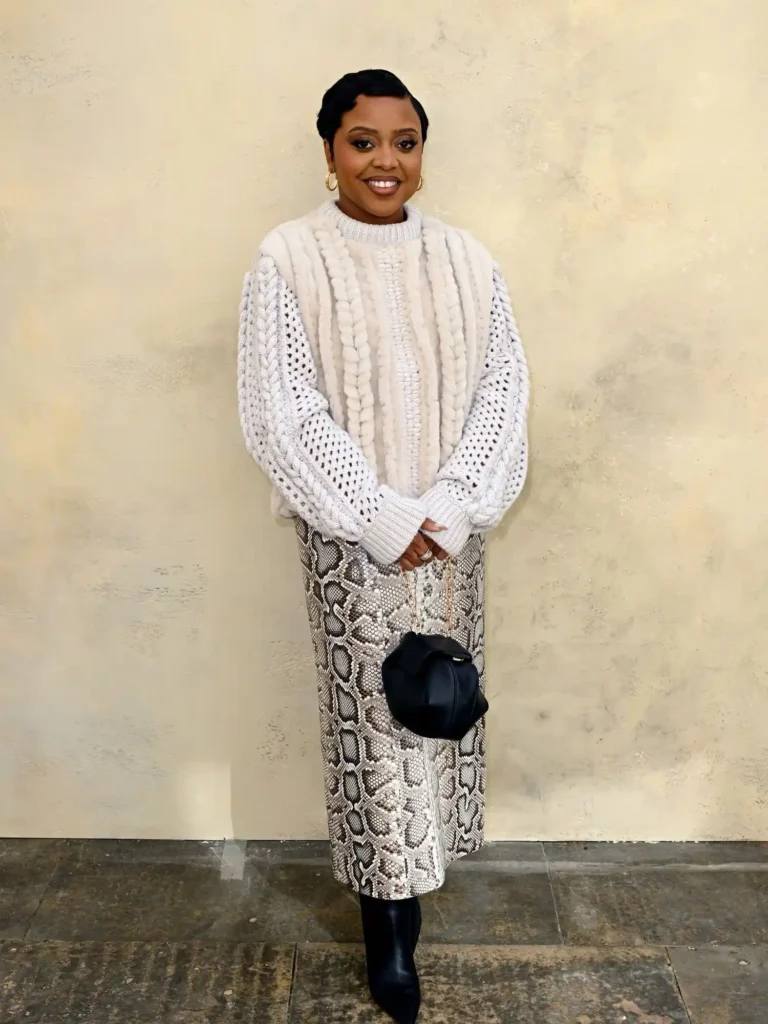
One of the most exciting things about this trend is how fashion becomes part of the comic’s narrative language. For certain comedians, clothing reflects themes they weave into their routines — whether that’s reclaiming femininity, subverting stereotypes, commenting on pop culture, or simply expressing joy.
For many comics, style plays several roles:
1. Amplifying Persona
Outfits become an extension of stage identity — bold looks can underscore a performer’s voice and tone.
2. Breaking Norms
Comedians who wear glitzy, avant‑garde, or glamorous clothing challenge the idea that humor and high fashion don’t coexist.
3. Making Space for Individuality
Fashion lets comics show up as themselves — real, quirky, complicated, and stylish in their own right.
4. Cueing the Audience
Clothing can emotionally prime an audience — a sparkly gown signals energy, while a vintage suit might evoke nostalgia or irony.
Everyday Style vs. Stage Style
It’s worth noting that not all comedians dress theatrically on stage. Many comics adopt relatable, everyday outfits — whether it’s a casual tee and jeans, a comfortable blazer, or intentionally unfussy clothes — to create intimacy with the audience. In some cases, simplicity becomes its own style choice, reflecting authenticity rather than retreating behind fashion norms.
Still, the common thread is intentionality: comedians dress in ways that support how they want to be perceived, not how they’re expected to look.

Style & Comedy — A Feedback Loop
As more comedians with standout fashion sense gain visibility, their influence spreads beyond comedy clubs and stages into mainstream fashion and pop culture. Designers are increasingly inviting comedians into runways and campaigns, recognizing that their visibility, voice, and style resonate with broad audiences.

This loop — comedy influencing fashion, and fashion amplifying comedy — blurs the lines between entertainment and aesthetic expression.
Final Thoughts: Why This Matters
When female comedians take risks with fashion, they’re doing more than making headlines: they’re participating in a larger cultural shift that dismantles outdated ideas about how women should perform, look, or present themselves.
Their clothing becomes part of their comedic toolkit — a vibrant, expressive layer that complements their wit, perspective, and humanity. Whether loud and glamorous or understated and relatable, their style choices help expand what we think of when we picture a female comedian — not as a static stereotype, but as a dynamic force in culture and fashion alike.
And in an era that values personal voice and creative expression, that’s something well worth laughing — and dressing — about.