

Cystic acne can be one of the most frustrating forms of breakouts to deal with. Unlike a typical pimple, cystic acne develops deep beneath the skin’s surface, often appearing as painful, inflamed bumps that refuse to go away for weeks. It’s not just a surface issue — it’s an inflammatory condition that can leave both physical scars and emotional stress.
If you’ve battled stubborn, recurring breakouts or want a better understanding of how diet (especially dairy) and lifestyle factors play into cystic acne, this article breaks down effective strategies, dermatologist‑approved treatments, and practical habits to help your skin heal and stay balanced.
What Makes Cystic Acne Different?
Cystic acne isn’t like smaller, surface‑level pimples that respond quickly to spot treatments. These deeper lesions are:
- Larger and more painful
- Often without a visible “head”
- More likely to cause scarring and discoloration
They form when pores become clogged with excess oil, dead skin cells, and bacteria, triggering inflammation deep within the skin. Because of this internal inflammation, cystic acne often needs more than over‑the‑counter gels or masks to resolve.
Can Diet Really Affect Cystic Acne?
Yes — for some people, what you eat can influence hormonal fluctuations and inflammation, which are major drivers of cystic acne.
1. Dairy and Acne
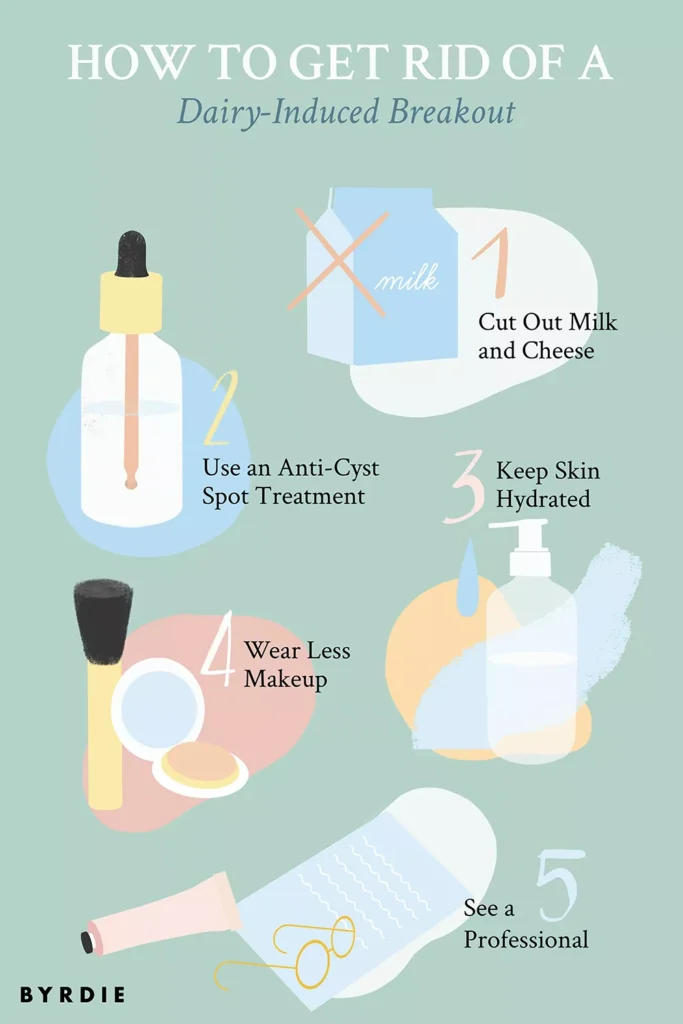
Many dermatologists have observed that dairy consumption — especially skim milk — can worsen acne for some individuals. While the science isn’t 100% conclusive, several studies suggest a connection between milk products and increased breakouts. This may be due to hormones and growth factors naturally present in dairy that can stimulate oil production and skin inflammation.
If you suspect dairy might be a trigger for your cystic acne, consider reducing or cutting it out temporarily for a few weeks to see if your skin improves.
2. Sugar and High‑Glycemic Foods
Foods that spike blood sugar rapidly — like sweets, white bread, and sugary drinks — can lead to hormone fluctuations that increase inflammation and oil production. Many people find improvements when they reduce refined sugars and processed carbs in their diets.
3. Balance, Not Elimination
You don’t have to overhaul your entire diet overnight. But focusing on whole foods, lean proteins, healthy fats, and fiber can help support steady blood sugar and reduce inflammatory triggers that contribute to breakouts.
Remember: individual reactions vary, so what helps one person might not work for another. Testing dietary changes thoughtfully and tracking your skin’s response can help you pinpoint triggers.
Skincare Habits That Help Cystic Acne
A solid skincare routine is essential if you want to minimize cystic acne flare‑ups. Here are key elements dermatologists and skin experts recommend:
Gentle, Yet Effective Cleansing
Use a sulfate‑free, non‑stripping cleanser twice daily. Over‑cleansing or harsh scrubs can irritate skin further and worsen inflammation.
Incorporate Active Ingredients Carefully
Some ingredients are especially helpful for deeper acne:
- Salicylic Acid: Helps clear pores by dissolving excess oil and debris.
- Benzoyl Peroxide: Targets acne‑causing bacteria and reduces inflammation.
- Retinoids: Promote cell turnover and prevent clogged pores.
- Niacinamide: Soothes inflammation and strengthens the skin barrier.
If you’re new to these actives, start slowly and watch for irritation. You can introduce one product at a time.
Moisturize Daily
Even acne‑prone skin needs hydration. Lightweight, non‑comedogenic moisturizers help maintain your skin’s barrier, reducing irritation and flakiness that can accompany acne treatments.

Wear Sunscreen Every Day
Sunscreen protects healing skin from UV damage and prevents post‑inflammatory hyperpigmentation — the dark marks cystic acne can leave behind.
Professional Treatments That Work
When home care isn’t enough, working with a dermatologist can make a huge difference. Here are proven treatments clinicians use for cystic acne:
Prescription Topicals and Medications
- Stronger Retinoids: Prescription forms like tretinoin or adapalene can be more effective than over‑the‑counter versions.
- Antibiotics: Oral or topical antibiotics can help reduce bacterial growth and inflammation.
- Spironolactone: A hormone‑targeting medication often prescribed for women with acne tied to hormonal fluctuations.
These require professional guidance because they affect your system and skin differently.
In‑Office Procedures
Dermatologists may recommend procedures such as:
- Cortisone Injections: Quick‑acting treatments to flatten painful cysts.
- Chemical Peels: Improve texture and clear pores.
- Laser and Light Therapy: Reduce inflammation and fight acne bacteria.
These options can accelerate healing and make a visible difference when cystic acne is stubborn.
Lifestyle Habits That Support Clearer Skin
Acne isn’t just about diet and products — other daily habits matter too:
1. Reduce Stress
High stress levels can influence hormone balance, making breakouts more frequent. Practices like yoga, meditation, or simple breathing exercises can help calm your system.
2. Sleep Well
Poor sleep disrupts cortisol (stress hormone) cycles and can worsen inflammation. Aim for consistent, restful sleep each night.
3. Avoid Picking or Squeezing
This common instinct can lead to scarring, infection, and longer healing times. Let cystic lesions heal naturally or seek professional extraction.
4. Wash Pillowcases Frequently
Oils, sweat, and bacteria accumulate on fabric and can transfer back to your skin. Clean pillowcases regularly to reduce this trigger.
Tracking Progress: Be Patient and Consistent
Cystic acne doesn’t disappear overnight — especially when it’s deeply rooted in inflammation or hormonal imbalance. But with consistent care, smart product choices, and targeted treatments when needed, you can make real progress.
Keep a skincare journal, note any dietary changes, and observe how your skin responds. Sometimes it takes a few weeks to see noticeable improvements, so consistency over miracles is key.
Final Thoughts
Cystic acne is challenging, but it’s not unsolvable. By understanding what triggers your breakouts — whether it’s dairy, high‑glycemic foods, stress, hormones, or all of the above — you can tailor an approach that supports clearer, calmer skin.
Healthy skin isn’t a destination; it’s a process of tuning into your body, habits, and needs. With patience, the right tools, and mindful care, you can greatly reduce severe breakouts and build a routine that keeps your skin looking and feeling its best.