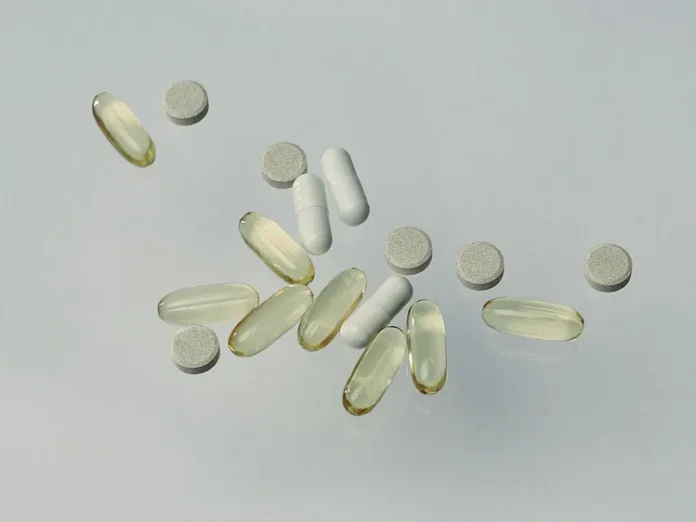


If you’re into skincare, you may have seen silica popping up on ingredient lists or in supplement aisles. But what exactly is silica, and why are people talking about it in relation to skin health?
Silica isn’t a buzzword or fad — it’s a mineral that’s naturally found in the body and plays a role in structures like skin, hair, nails, and connective tissues. In recent years, silica supplements have gained popularity for their potential to support skin elasticity, strength, and appearance. Let’s break down what silica is, how it may benefit the skin, and how to use it safely and effectively.
What Is Silica?
Silica — also known as silicon dioxide — is a trace mineral found in foods like cucumbers, oats, brown rice, leafy greens, and whole grains. In the body, silica is part of the structural framework that supports collagen production and connective tissue integrity.
Unlike vitamins, which the body needs in larger quantities, silica is considered a trace element — meaning we don’t need a lot, but it plays a role in maintaining healthy tissues and structural proteins.
In supplements, silica often appears in forms like:
- Orthosilicic acid
- Horsetail extract (a plant source rich in silica)
- Silicon complexes with amino acids or other carriers
These forms are thought to be easier for the body to absorb compared with basic mineral compounds.
Why People Use Silica for Skin
Silica isn’t a moisturizer or an antioxidant in the traditional sense, but it supports foundational elements of skin health. Here are some of the key reasons people take silica supplements with skin goals in mind:
1. Supports Collagen Production
Collagen is a protein that gives skin its firmness, elasticity, and youthful bounce. As we age, collagen production naturally slows down, leading to sagging, fine lines, and loss of firmness.
Silica plays a role in the synthesis of collagen and other structural components like elastin and glycosaminoglycans. Supporting these building blocks can help skin look smoother and stronger over time.
2. Strengthens Hair and Nails
The effects of silica are often more evident in hair and nails because these tissues reflect structural support. Many people report stronger nails and shinier, more resilient hair after consistent silica use.
Because skin, hair, and nails all share connective tissue elements, improvements in one area may signal benefits overall.
3. Enhances Hydration and Texture
While silica doesn’t hydrate in the same way hyaluronic acid does, it supports skin structure in a way that can help reduce roughness and improve texture. When collagen and elastin are functioning well, skin tends to look healthier and more vibrant.
4. Potential Support for Wound Healing
Some research shows that silica may contribute to faster healing and tissue repair, which could be helpful for reducing the appearance of scars or improving skin recovery after minor injuries.
What the Research Says
Scientific interest in silica isn’t as extensive as for other skin ingredients, but current research suggests significant potential:
- Collagen stimulation: Studies indicate that silica influences enzymes involved in collagen production, potentially helping maintain structural integrity and elasticity.
- Strengthening connective tissue: Silica may support the body’s production of glycosaminoglycans, which are essential for hydrated, plump skin.
- Hair and nail benefits: Human studies have shown improvements in hair strength and nail brittleness with silica supplementation.
That said, results can take time — most studies and user experiences suggest visible changes occur with consistent use over several months rather than overnight.
How to Take Silica Supplements
Silica supplements come in various forms, and choosing the right one matters for absorption and effectiveness:
Forms to Consider
- Orthosilicic Acid: Often cited as one of the best‑absorbed forms of silica.
- Plant‑Derived Silica (like horsetail extract): A natural alternative that contains silica along with supportive plant compounds.
- Mineral Silica Complexes: Combined with other nutrients for enhanced delivery.
Typical Dosage
There’s no universally established standard dosage, but many supplements provide 5–20 mg of silica per day. Always follow the manufacturer’s instructions or consult a healthcare provider for personalized dosing.
With or Without Food
Most silica supplements can be taken with meals to improve absorption and reduce the chance of digestive discomfort.
Pairing With Other Nutrients
Because silica supports collagen and connective tissue, many people combine it with:
- Vitamin C: A co‑factor in collagen production
- Biotin or zinc: For additional hair and nail support
- Hyaluronic acid or ceramides: For hydration and barrier support
Pairing can create a well‑rounded approach to skin health rather than relying on a single ingredient.
Who Might Benefit Most From Silica
Silica supplementation isn’t one‑size‑fits‑all, but it may be particularly useful for:
✔ People noticing loss of firmness or early signs of aging
✔ Anyone with brittle nails or thinning hair
✔ Those looking for foundational structural support, not just surface hydration
✔ Individuals seeking long‑term skin health maintenance
It’s worth noting that silica isn’t a miracle cure, and results vary based on genetics, lifestyle, diet, and overall skin care.
Safety and Side Effects
Silica is generally considered safe for most people when taken in recommended doses. However, a few things to keep in mind:
1. Digestive Sensitivity
Some people experience mild stomach discomfort or bloating when first starting supplements — usually temporary and resolved by taking the supplement with food.
2. Balance Is Key
More isn’t always better. Excessive intake of minerals or herbal extracts can cause imbalance or unwanted effects over time.
3. Talk to a Professional
If you’re pregnant, nursing, have medical conditions, or are on medications, it’s always wise to consult a healthcare provider before starting any supplement.
4. Whole Food Sources Still Matter
Supplements are not a substitute for a nutrient‑rich diet. Foods like oats, leafy greens, bell peppers, and whole grains also contain silica and other beneficial compounds that support skin from the inside out.
Realistic Expectations and How to Measure Progress
Silica supports skin health by helping the structure beneath the surface function more effectively — not by instantly smoothing texture like a topical serum might. With consistent daily supplementation, many people report:
- Firmer‑looking skin over time
- Smoother texture and improved hydration
- Stronger nails and hair appearance
- Less brittleness or breakage
Visual improvement may take 6–12 weeks or longer, so patience and consistency are key.
Final Thoughts
Silica supplements offer an interesting and potentially valuable way to support skin health at a structural level. Rather than acting like a quick cosmetic fix, silica works gently from within — strengthening connective tissues, supporting collagen synthesis, and contributing to overall skin resilience.
If you’re looking for a science‑backed supplement to complement a balanced skincare routine and foundation of healthy habits, silica is definitely worth exploring. Remember, beauty isn’t just skin deep — it starts with nourishment, structure, and consistent care from the inside out.