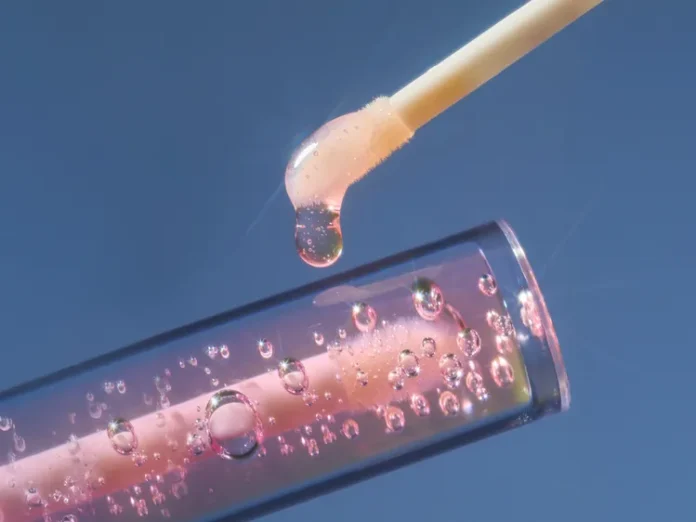


Lip balm used to be a simple staple — the go‑to tube in winter that saved chapped lips and prevented dryness. But lately, the category has exploded into one of beauty’s most confusing and saturated spaces, with hundreds of products flooding the market and blurring the line between real lip care and cosmetic gloss. At this point, reaching for a balm can feel like a gamble: will it actually moisturize your lips, or just make them look glossy?
In this article, we dive into how lip balm became such a buzz‑worthy beauty item, why the category feels so crowded, and how you can find formulas that genuinely do what lip balm is supposed to do.
From Simple Skincare to Full‑Blown Beauty Trend
The lip balm boom didn’t happen overnight. Post‑COVID beauty culture played a major role. As consumers became obsessed with skincare — especially hybrid products that straddle makeup and treatment — lip products offered an easy entry point. They feel fun, simple, and reassuring in a world that often feels stressful, and they’re cheaper and more impulsive buys than heavier skincare items.
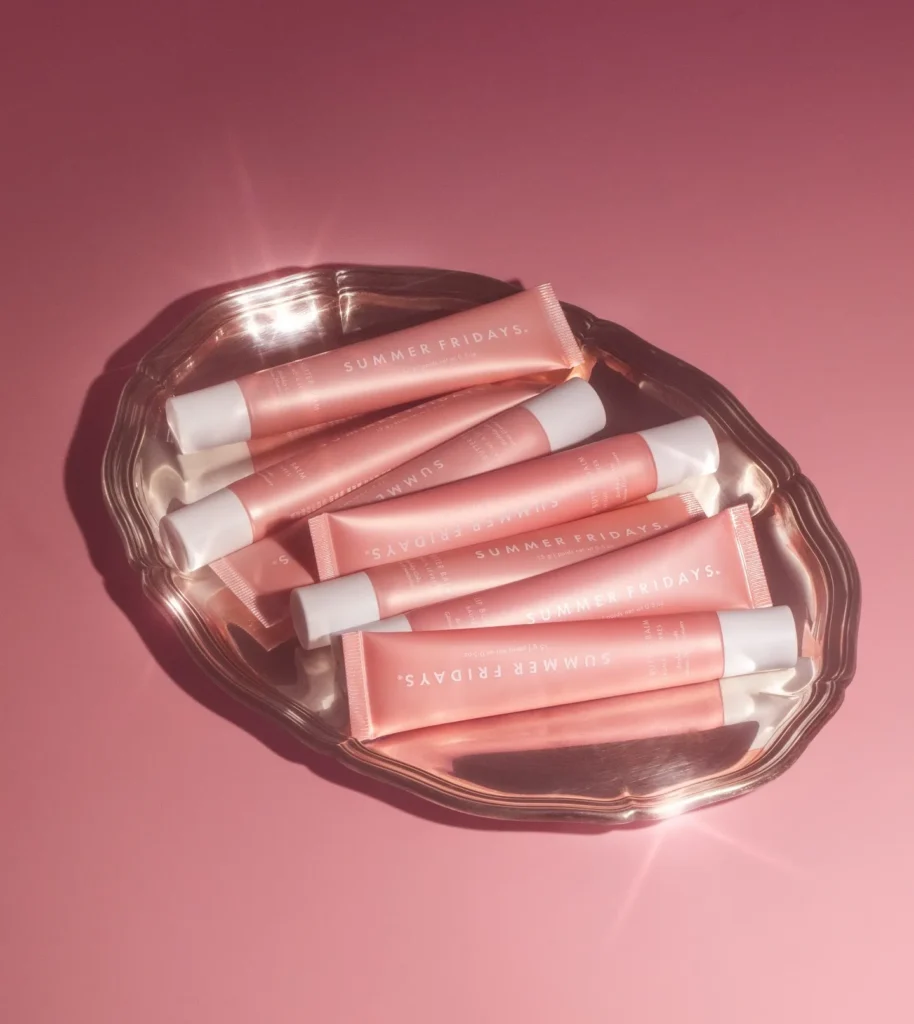
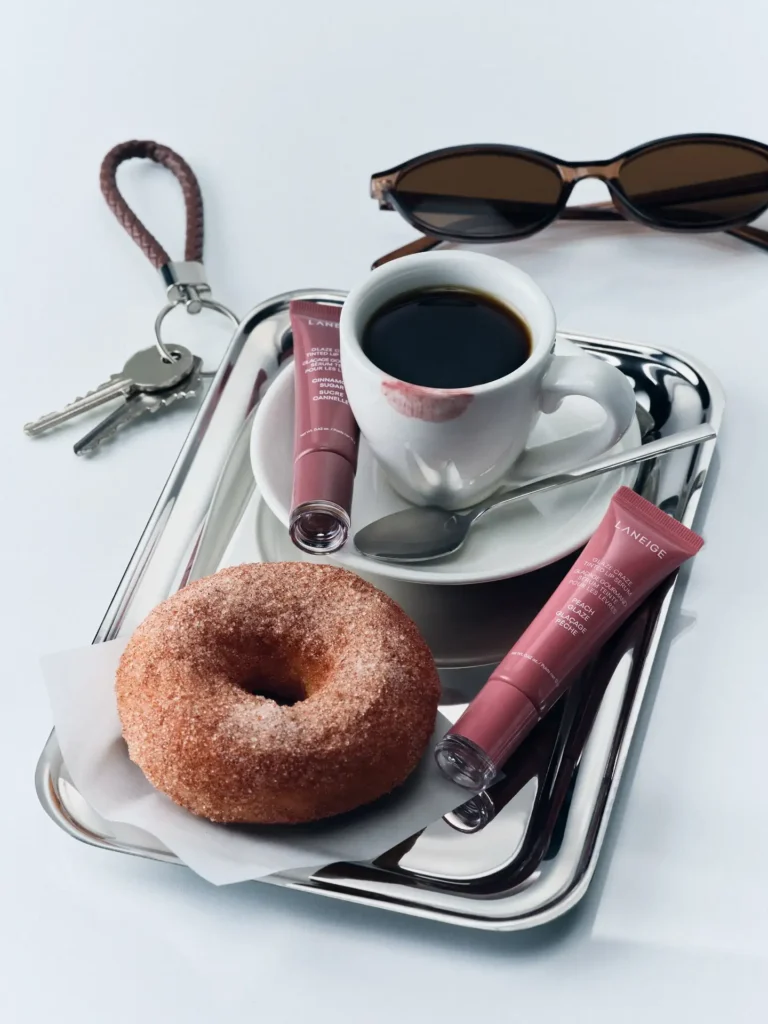
Experts say that while some people reach for lip balm purely for hydration, others are drawn in by aesthetic appeal, social media buzz, and branding. Big names like Summer Fridays, Laneige, Rhode, Dior, and Glossier have dominated prestige lip‑care sales, often using glossy, scented or colored formats that sell out fast — even if performance varies widely.
This shift is partly why the category has become so cluttered: brands launch multiple products in numerous shades or finishes, and retailers now stock hundreds of variations under “lip balm,” making it nearly impossible to know what actually works.
What Actually Defines a True Lip Balm?
From a skin‑care perspective, a traditional lip balm is meant to seal in moisture and protect dry lips with occlusive ingredients — often waxes, petrolatum, shea butter, or squalane. These create a barrier that prevents water loss and helps lips stay soft.
But the reality now is that many products labeled as lip balms function more like oils, glosses, or tinted treatments — visually appealing but not always effective at long‑term hydration. Experts say this is where the category loses clarity: the marketing often emphasizes aesthetics (shine, color, scent) rather than genuine moisture and barrier protection.
According to formulators, what really separates a good balm from a pretty gloss is:
- Occlusive strength: A thick base that stays on the lips and slows moisture loss.
- Hydrating performance: Ingredients that help lips feel soft rather than evaporate quickly.
- No unnecessary irritants: Avoiding heavy fragrances or allergens that can actually dry lips out or cause irritation.
Why Lip Balm Still Matters
Even though the category feels chaotic, lip balm remains one of the most universal beauty products — something almost everyone uses, whether daily or seasonally. Part of its popularity comes from the emotional response it triggers: applying balm can feel like a small moment of comfort or self‑care in a busy day.
While trends come and go — like lip oils or glazed balm hybrids — the core need remains the same: lips that stay protected from dryness, wind, and everyday environmental stress.
At the same time, beauty culture has made balm a status category, with viral products selling out based on hype and social clout as much as effectiveness. Some balms are popular despite having questionable textures or features, illustrating how emotional appeal and marketing have become almost as persuasive as actual performance.
How to Choose a Lip Balm That Works
To cut through the noise, dermatologists and formulators suggest focusing less on trends and more on function:
1. Prioritize Occlusive Base Ingredients
Look for ingredients like:
- Beeswax
- Petrolatum
- Squalane
- Shea Butter
These help seal in moisture and protect lips from dryness.
2. Avoid Heavy Irritants
Fragrances, flavors, essential oils, and certain additives can sometimes cause irritation and make lips feel dry again. Choose simpler formulas if your lips are sensitive.
3. Skip Gloss Hybrids for Dry Lips
Products marketed as “balms” but feel thin or overly glossy often act more like lip oils — they look pretty but may not offer lasting hydration.
4. Test Texture and Wear Time
True balms should stay on lips even when you talk or eat — if a product disappears quickly, it may be more cosmetic than caring.
Top Lip Balms That Deliver Real Results
Here are some expert‑approved options that actually help restore and protect lips — not just gloss them up:
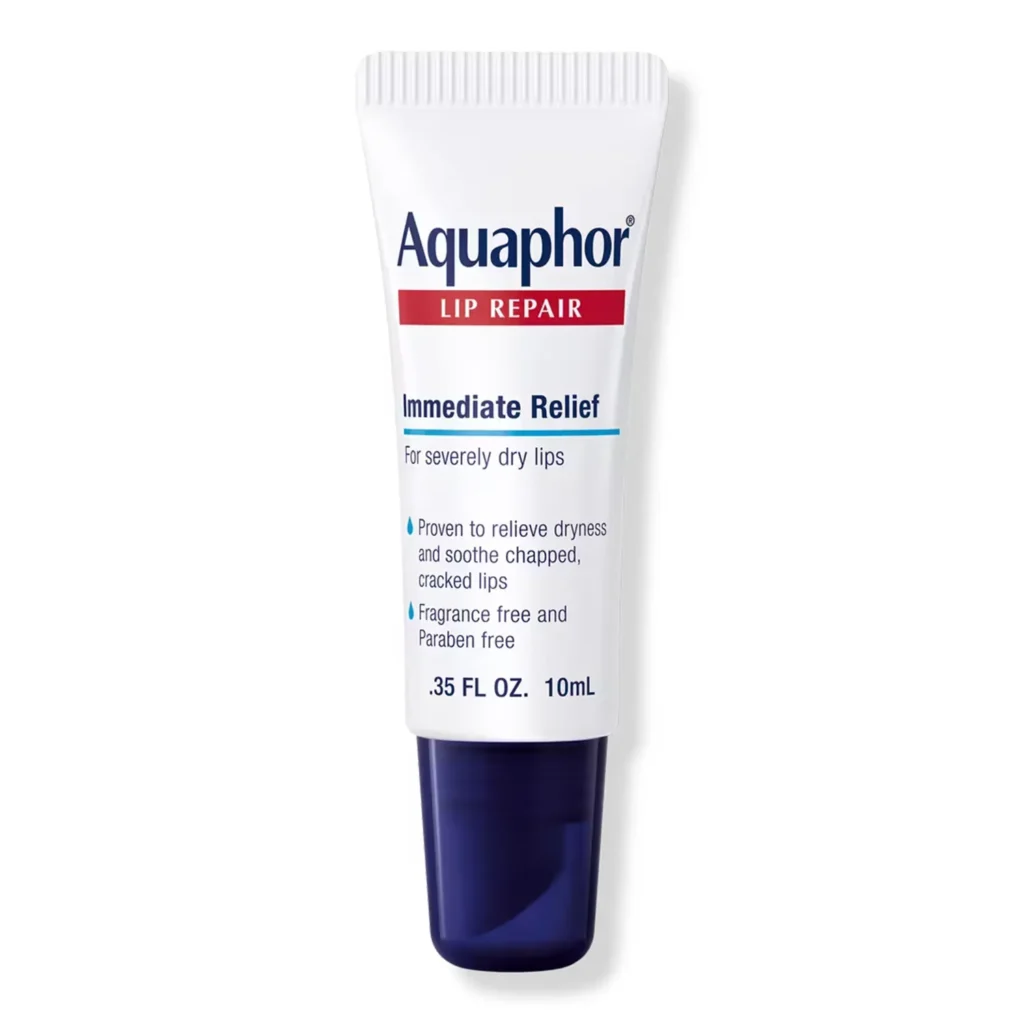
- Aquaphor Lip Repair: A classic, no‑nonsense hydrating balm that helps lock in moisture.
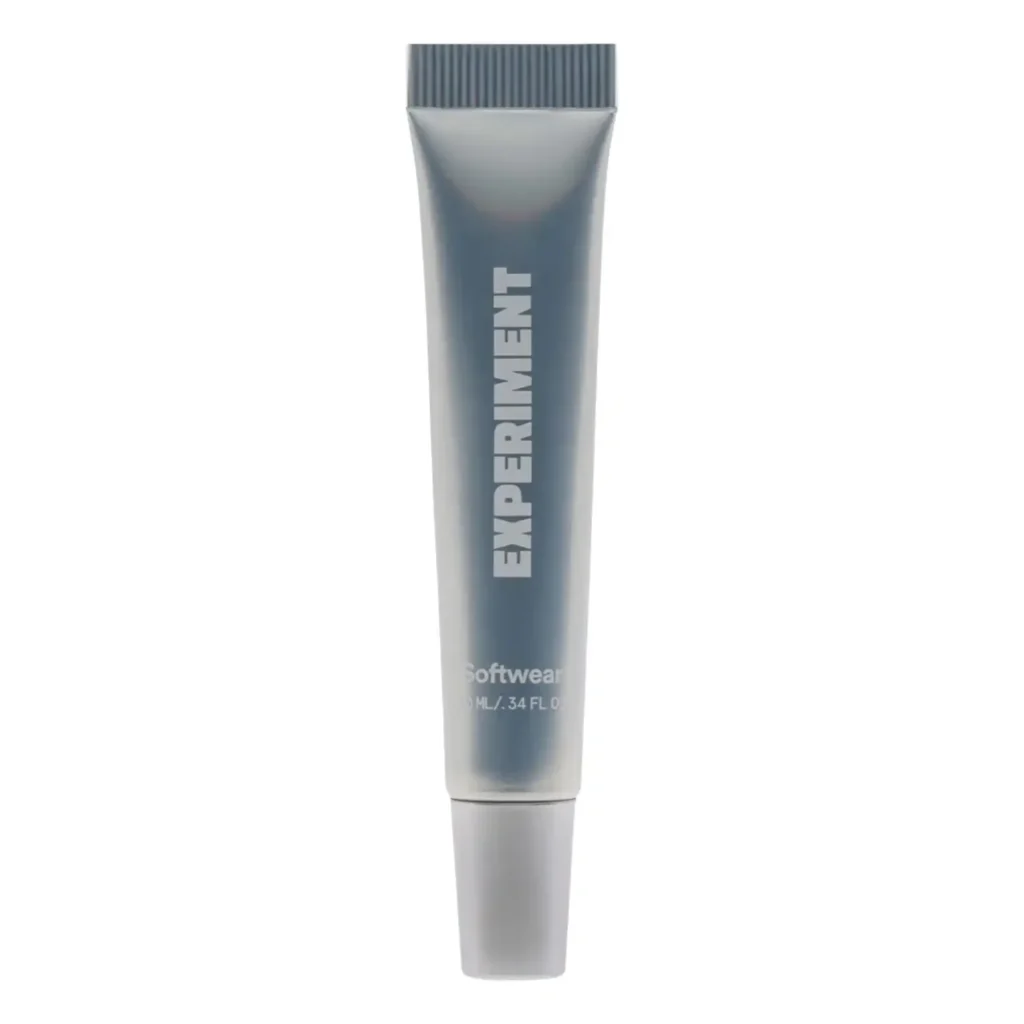
- Experiment Softwear: Designed for gentle hydration and barrier support.
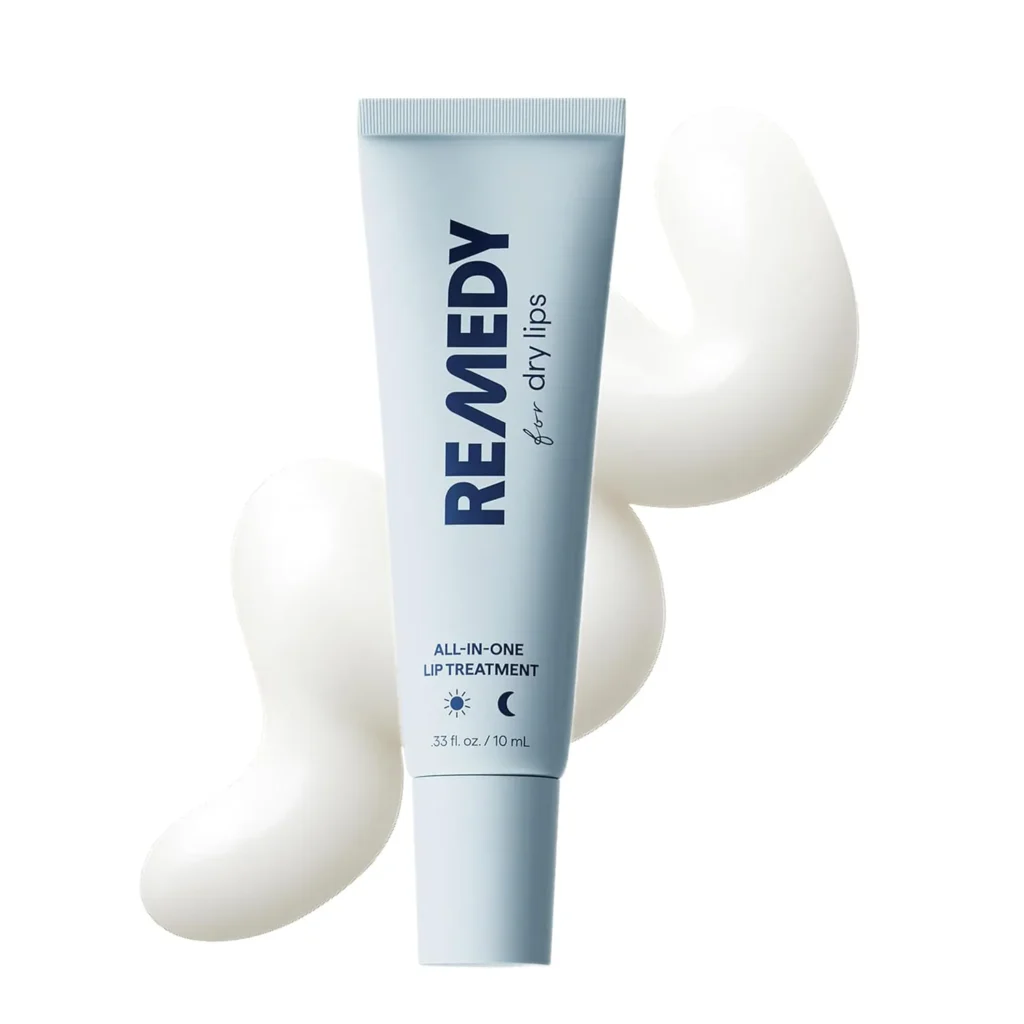
- Remedy for Dry Lips: A dermatologist‑focused option that avoids common irritants.
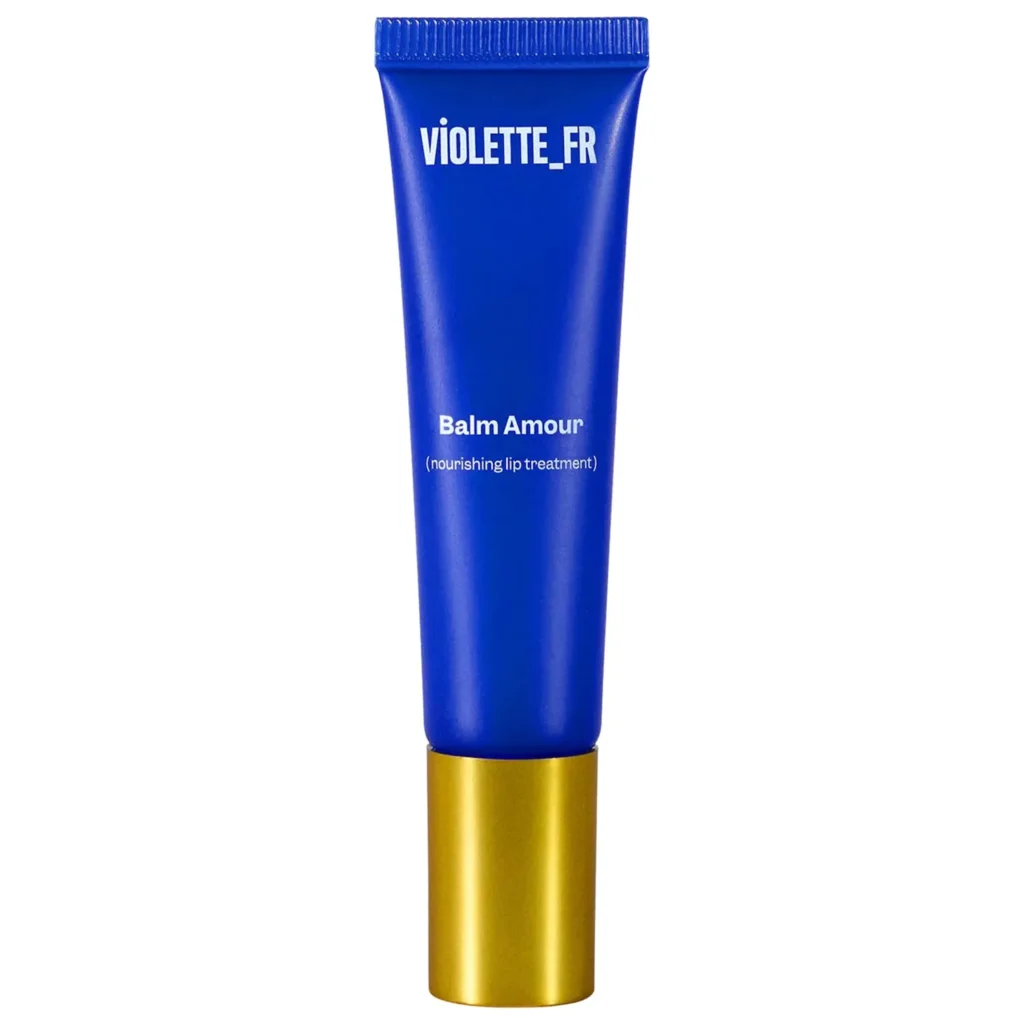
- Violette_FR Balm Amour: Combines nourishment with smooth wear.
(Article includes many more specific recommendations under true balm formulas.)
Final Thoughts: Trends vs. True Care
The lip balm category may be booming — but much of what’s on shelves today prioritizes trendiness over true lip care. If you’re looking for a lip balm that actually hydrates and protects, focus on occlusive ingredients and simple formulas rather than flashy packaging or viral hype.
After all, your lips deserve nourishment that works — not just products that look cute in photos.