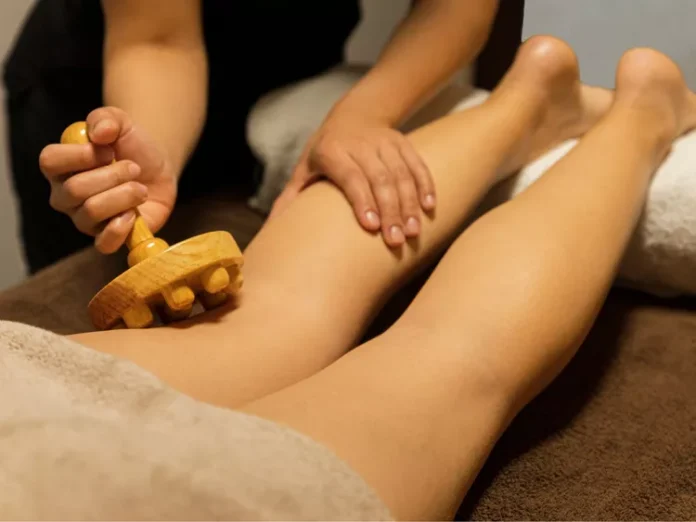


You may have heard beauty influencers, massage therapists, and wellness enthusiasts talk about lymphatic drainage — sometimes even calling it “facial detox massage,” “lymphatic massage,” or “body detox technique.” But what exactly is lymphatic drainage, and why are so many people adding it to their self‑care routines?
This wellness practice has gained traction because it promises smoother skin, reduced puffiness, better circulation, and a reset for the immune system. Let’s break down what lymphatic drainage actually does, how it works, and whether it lives up to the hype.
What Is the Lymphatic System?
To understand lymphatic drainage, you first need to know what the lymphatic system is.
Your lymphatic system is an important part of your body’s immune and circulatory systems. It’s made up of:
- Lymph nodes — small, bean‑shaped clusters where immune cells gather
- Lymph vessels — tiny channels that carry fluid called lymph
- Lymph fluid — a clear or slightly yellowish fluid containing white blood cells
As fluid moves through your tissues, it picks up waste, toxins, and cellular debris. The lymphatic system then carries that fluid through lymph nodes, where it is filtered and cleaned.
Unlike blood circulation, which is powered by the heart, the lymphatic system doesn’t have a central pump. Instead, lymph moves through:
- muscle movement
- breathing
- gentle pressure changes
- massage stimulation
This lack of a central pump is what makes lymphatic drainage techniques especially helpful — they give the system a little extra encouragement to get the fluid moving.
What Is Lymphatic Drainage?
Lymphatic drainage (also called lymphatic massage) is a gentle form of bodywork intended to encourage the flow of lymph fluid throughout the body. It involves soft, rhythmic strokes over specific areas of the body that correspond to lymph nodes and vessels.
When performed correctly, lymphatic drainage can help:
- reduce fluid retention and swelling
- improve circulation
- support immune function
- decrease puffiness in the face and body
- potentially brighten complexion and reduce the look of under‑eye bags
Unlike deep tissue massage, which uses firm pressure to address muscle tension, lymphatic drainage relies on gentle, superficial strokes.
How Lymphatic Drainage Works
Because lymph doesn’t circulate on its own the way blood does, it relies on external movement and pressure to flow. Lymphatic drainage uses light manipulation to help “push” lymph fluid through the vessels and toward the lymph nodes, where toxins and waste can be filtered out.
This process can be especially useful after periods of inactivity, jet lag, or long flights — situations in which lymph flow tends to slow down.
In the face, lymphatic drainage typically focuses on:
- the jawline
- the under‑eye area
- the cheeks
- the neck
- the collarbone

Doing gentle strokes in these areas can help move fluid that tends to stagnate, particularly after poor sleep, stress, or inflammation.
Benefits People Commonly Report
While research on lymphatic drainage is still developing, many people notice positive effects after consistent practice. Some of the most common benefits include:
Reduced Puffiness and Swelling
Stagnant lymph fluid can make areas like the face and under‑eyes look swollen or tired. Gentle drainage techniques can help move that fluid and reduce puffiness.
Improved Circulation
Because lymphatic drainage encourages fluid movement, it supports better circulation overall — which can enhance skin tone and texture over time.
Enhanced Immune Support
The lymphatic system plays a key role in immune function. Helping it move efficiently can support your body’s natural defense mechanisms.
Relaxation and Stress Relief
Many people find the gentle, rhythmic massage calming. It can activate the parasympathetic nervous system — the part of your nervous system associated with relaxation and rest.
Better Skin Appearance
When lymph fluid moves freely, you may notice a more radiant complexion, reduced under‑eye shadows, and smoother skin texture.
Lymphatic Drainage Techniques
You don’t have to be a massage therapist to incorporate lymphatic drainage into your routine. There are several ways people practice it:
1. Manual Lymphatic Massage
This involves using your fingers or palms to gently stroke the skin in specific directions toward lymph nodes. Because pressure is light, it should never feel painful or intense.
2. Professional Lymphatic Massage
Trained therapists can perform a full body or facial lymphatic drainage massage, often using specialized techniques and tools to target fluid movement.
3. Tools and Devices
Many beauty tools mimic lymphatic massage, such as:
- facial jade rollers
- gua sha stones
- suction‑based devices
When used gently and with the right movements, these tools can help stimulate lymph flow.
How to Do a Simple Facial Lymphatic Drainage
Here’s a basic step‑by‑step routine you can do at home:
- Start at the neck:
Lightly stroke downward toward the collarbone to open lymph pathways. - Move to the jawline:
Using gentle pressure, sweep from the chin along the jawline toward the ears. - Work the cheeks:
Sweep from the sides of the nose outward toward the temples. - Focus under the eyes:
Be extremely gentle. Use your ring finger to stroke from the inner corner of the eye outward. - Finish at the collarbone again:
Sweep fluid down toward the lymph nodes.
Repeat each movement 5–10 times. Use a light touch — firm pressure won’t improve lymph flow and can actually slow it down.
Precautions and When to Avoid It
For most people, lymphatic drainage is safe and gentle. However, there are a few situations where it may not be appropriate:
- In cases of acute infection or fever
- If you have certain medical conditions like heart or kidney disease
- If you have blood clots or deep vein thrombosis
- If you’re pregnant without consulting a healthcare provider
If you have ongoing health concerns, it’s always a good idea to check with a medical professional before trying new techniques.
Lymphatic Drainage Is Not a Shortcut
It’s important to know what lymphatic drainage is not. It isn’t a rapid fix for major cosmetic concerns or weight loss. Results tend to be subtle and are best seen over time with consistent care.
Also, true lymphatic function happens throughout the body — not just the face — so regular movement, hydration, and a healthy lifestyle are still essential components of a strong lymphatic system.
Final Thoughts
Lymphatic drainage has become popular not because it promises dramatic overnight changes, but because it nudges your body toward balance — a gentle reminder that wellness is holistic and interconnected.
Whether you’re looking to reduce puffiness, support your immune system, or simply feel more in tune with your body, lymphatic drainage is an accessible, low‑impact tool worth exploring.
Even a few minutes a day of mindful massage can make a noticeable difference in how your skin looks and feels — and in how your body feels overall.