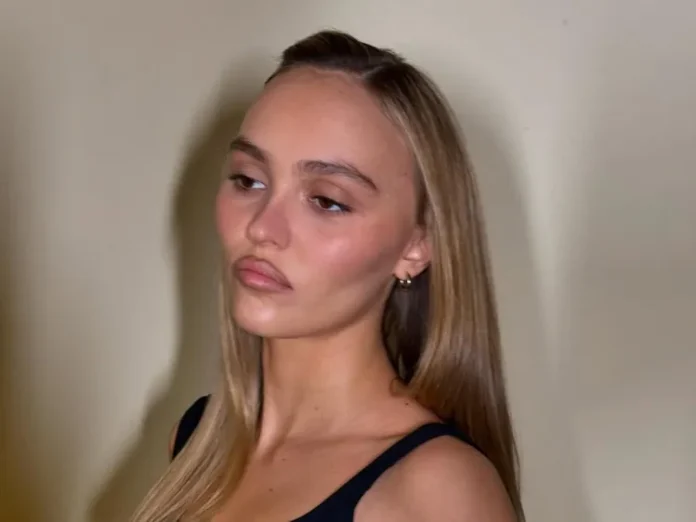


Beauty trends often take inspiration from unexpected places, and one of the most charming examples is milk tea hair. Named after the creamy color of tea mixed with milk, this hair trend has gained popularity for its soft, neutral tone and flattering finish.
Unlike bold hair colors that demand constant maintenance, milk tea hair is loved for its subtle elegance. The shade sits somewhere between blonde and light brown, creating a smooth, balanced color that works with many skin tones and hair textures.
If you’ve been searching for a hair color that feels modern yet natural, milk tea hair might be the perfect inspiration.
What Is Milk Tea Hair?
Milk tea hair is best described as a creamy beige or neutral brown-blonde shade inspired by the color of a cup of milk tea. The tone sits comfortably between light brown and dark blonde, creating a soft and blended appearance rather than a dramatic contrast.
The color is usually created by mixing warm and cool tones—often combining subtle golden shades with ash or violet tones. This balance keeps the hair from looking overly warm or overly cool, resulting in a neutral color that appears natural and sophisticated.
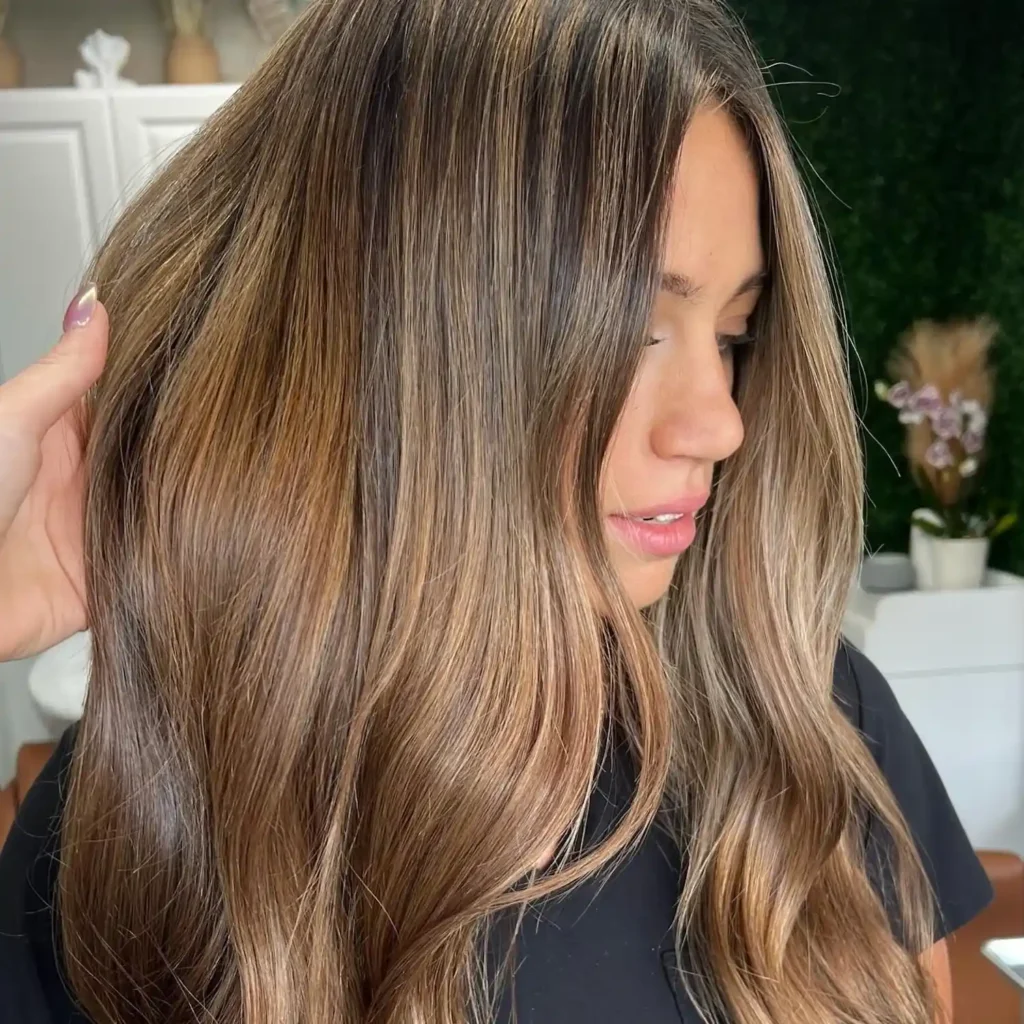
The final look is smooth, muted, and slightly creamy, which is why the name “milk tea” fits so well.
Why Milk Tea Hair Is So Popular
One reason milk tea hair has become so popular is its universally flattering tone. Because the color blends warm and cool undertones, it works well with a wide variety of complexions.
Stylists also note that the shade has a soft finish that makes hair appear healthier and shinier. The balanced tone avoids the harshness that sometimes comes with icy blondes or overly warm browns.
Another advantage is that the color is relatively low-maintenance. Since milk tea hair typically includes blended highlights or dimensional tones, it grows out more naturally than solid hair colors.
In short, it’s a trend that offers beauty without requiring constant salon visits.
Who Does Milk Tea Hair Suit Best?
Milk tea hair works particularly well for people who want a lighter look without going fully blonde.
The shade is often recommended for:
- Medium or dark brown hair looking for a softer color
- People who want neutral tones rather than warm gold or cool platinum
- Anyone searching for a natural-looking color refresh
Because the shade can be customized with different undertones, stylists can adjust the tone slightly warmer or cooler depending on skin tone and personal preference.
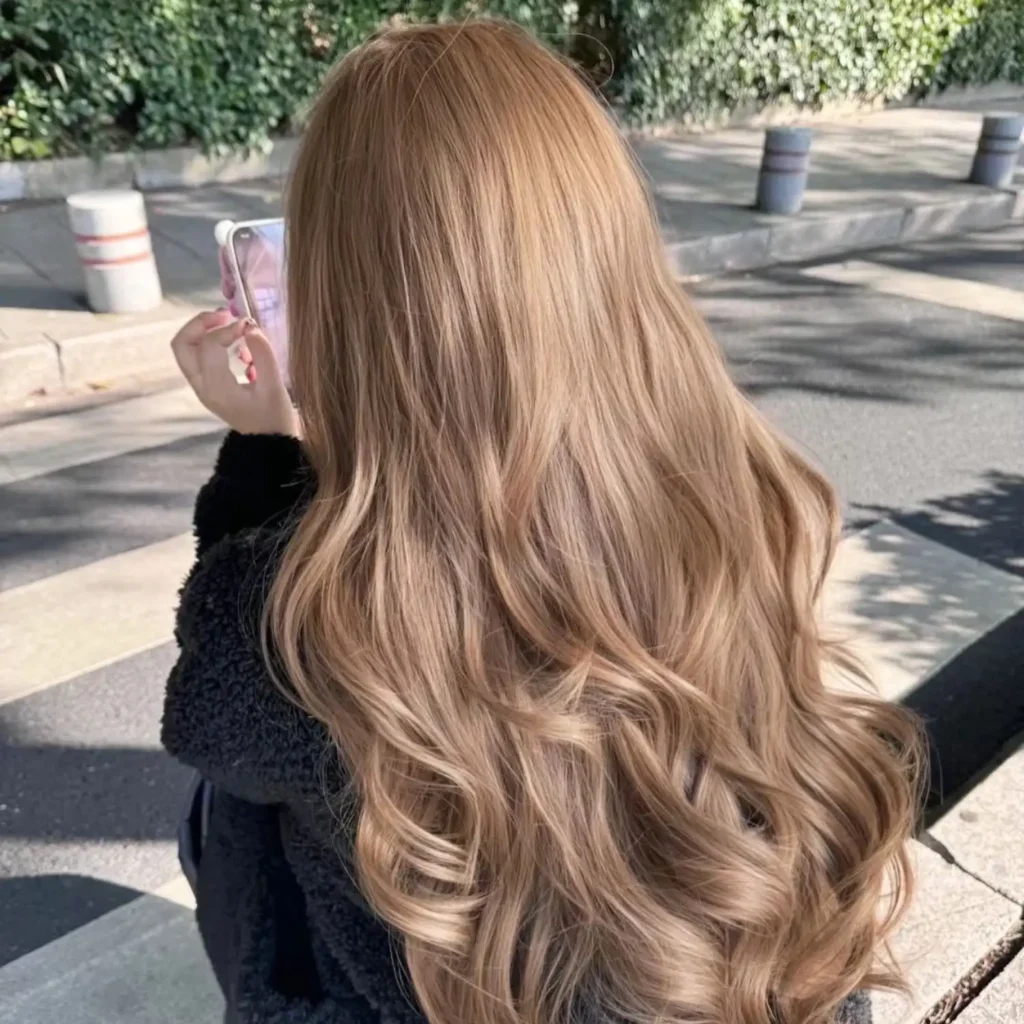
This flexibility makes milk tea hair one of the most adaptable hair color trends.
Different Versions of Milk Tea Hair
Although milk tea hair has a recognizable base color, the trend includes many variations. Hair colorists often adjust the tone, depth, and highlights to create unique versions of the look.
Some popular variations include:
Classic Milk Tea Blonde
This version leans slightly toward blonde while keeping the creamy beige tone. It’s soft and elegant, with a smooth, polished finish.
Milk Tea Brunette
A darker take on the trend, this version keeps more brown in the base color while adding subtle beige highlights for brightness.
Ash Milk Tea
This cooler variation includes stronger ash tones for a more muted, smoky look.
Milk Tea Balayage
Balayage techniques add hand-painted highlights that create a gradual blend from darker roots to lighter ends, giving the hair a natural sun-kissed effect.
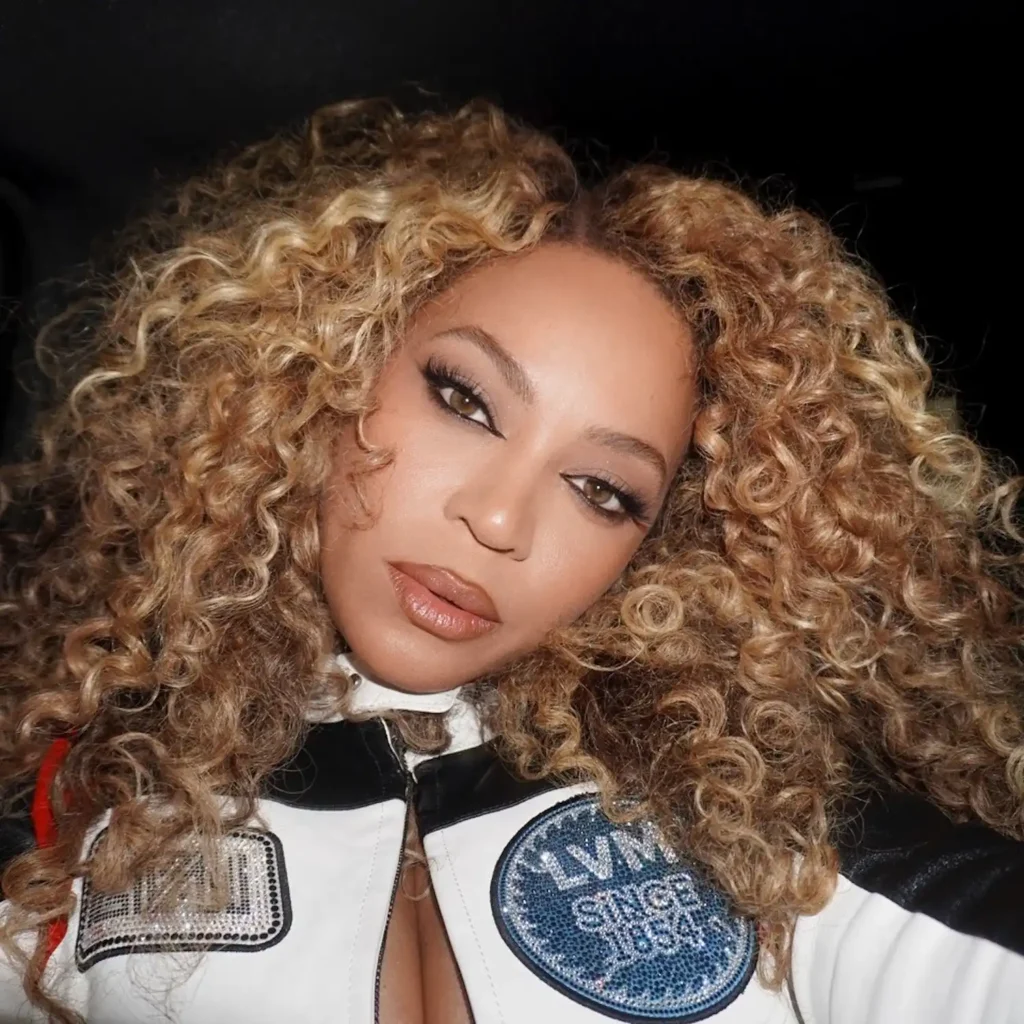
These variations show how versatile the milk tea color family can be.
How Stylists Create the Color
Achieving milk tea hair usually requires a careful combination of lightening and toning.
For people with darker hair, stylists may first lighten the hair to create a neutral base before applying a toner that blends warm and cool pigments.
The toner is the key step. By balancing golden tones with ash or violet undertones, colorists create the creamy beige shade that defines milk tea hair.
If someone already has lighter hair, the process can be simpler—sometimes requiring only toning and subtle highlights to achieve the desired shade.
How to Maintain Milk Tea Hair
Like most dimensional hair colors, milk tea hair benefits from regular care to keep its tone fresh.
Stylists often recommend:
- Using color-safe shampoo and conditioner
- Adding gloss treatments to maintain shine
- Avoiding excessive heat styling
- Scheduling toner refresh appointments every few weeks
These steps help maintain the soft beige tone and prevent unwanted yellow or orange undertones.
Why This Trend Feels So Modern
What makes milk tea hair stand out from other color trends is its balance.
Instead of dramatic contrasts or bold highlights, the shade focuses on subtle blending. It’s refined, soft, and understated—qualities that align with the growing beauty trend toward natural-looking hair.
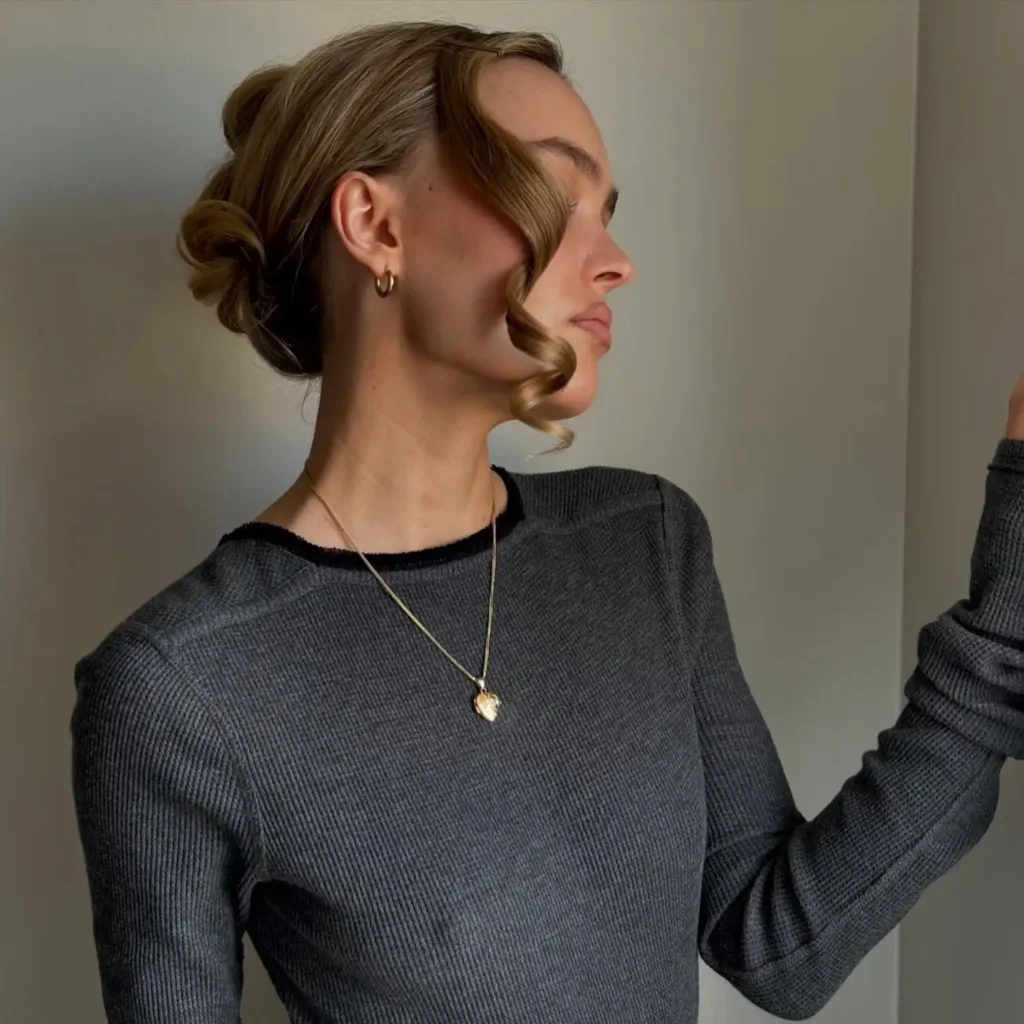
The color also photographs beautifully, which is one reason it has become popular across social media platforms and salon inspiration boards.
Final Thoughts
Milk tea hair proves that some of the most stylish beauty trends are also the most subtle. With its creamy beige tones and soft blend of warm and cool hues, this shade offers a sophisticated alternative to traditional blonde or brunette hair colors.
Whether worn as a light beige blonde, a soft brown-blonde blend, or a dimensional balayage, milk tea hair delivers a look that feels effortless and modern.
For anyone looking to refresh their hair with a color that is elegant, versatile, and easy to maintain, milk tea hair might be the perfect trend to try next.